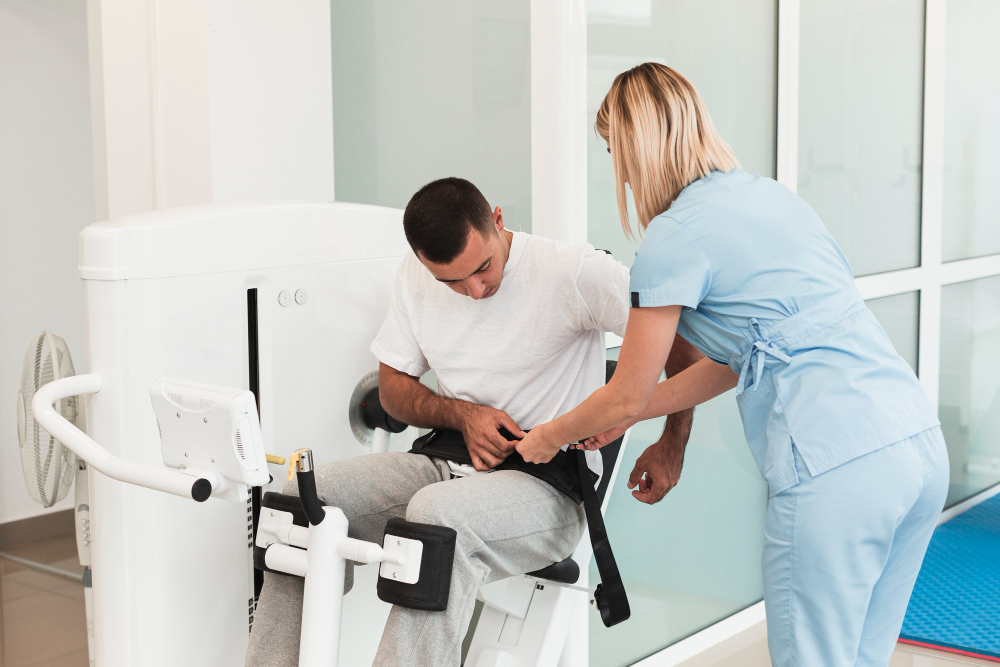



Recovery Programs can provide people struggling with substance addiction a structured path toward a healthier and more stable life. Choosing the right Rehabilitation Centre in Himachal Pradesh can make the recovery journey more comfortable and focused. With professional guidance, emotional support, counseling, and healthy routines, individuals can gradually work toward overcoming addiction and rebuilding their confidence. Om Nasha Mukti Kendra provides supportive rehabilitation services designed to help individuals take positive steps toward recovery.
Recovery Programs: A Structured Approach to Healing
Addiction affects more than physical health. It can influence relationships, work, emotional well-being, and everyday decision-making. For this reason, effective recovery requires more than simply stopping substance use.
A structured rehabilitation program can provide a safe environment where individuals can focus on healing without many of the triggers and pressures they may experience in their regular surroundings.
Treatment plans are generally adjusted according to the person’s condition, substance use history, physical health, and emotional needs.
Understanding the Different Stages of Addiction Recovery
Recovery is a gradual process rather than an overnight change. A professional rehabilitation program may include several important stages.
Assessment and Treatment Planning
The first step is usually a detailed assessment. Healthcare professionals may evaluate the individual’s physical health, emotional condition, substance use history, and other factors.
This information helps the treatment team develop a personalized recovery plan.
Detoxification and Medical Support
For some individuals, detoxification may be necessary before beginning further rehabilitation. During detox, the body adjusts to the absence of the substance.
Withdrawal symptoms can sometimes be uncomfortable or medically serious. Therefore, detox should be carried out under appropriate professional supervision rather than attempted without guidance.
Counseling and Therapy
Counseling is an important part of addiction recovery. Individual therapy allows people to discuss personal challenges, emotional concerns, and triggers in a private setting.
Group counseling can also help individuals understand that they are not alone in their struggles. Sharing experiences in a supportive environment can encourage motivation and accountability.
Developing Healthy Habits
Addiction can disrupt sleep, nutrition, daily routines, and relationships. Rehabilitation programs often encourage healthier habits through structured schedules, physical activities, balanced nutrition, relaxation techniques, and recreational activities.
Building these habits can help individuals develop a more stable lifestyle during and after treatment.
Why Professional Rehabilitation Matters
Trying to overcome addiction without professional support can be challenging, particularly when withdrawal symptoms, emotional difficulties, or repeated cravings are involved.
A professional Rehabilitation Centre in Himachal Pradesh can provide a structured environment where individuals receive consistent support throughout their recovery.
Professional rehabilitation may help with:
- Managing withdrawal safely
- Understanding addiction triggers
- Developing coping strategies
- Improving emotional health
- Building healthy daily routines
- Strengthening family relationships
- Preparing for life after rehabilitation
The goal is not only to stop substance use but also to help individuals develop skills that support long-term recovery.
The Role of Family Support
Family involvement can play an important role in recovery. Addiction often affects loved ones as well as the individual experiencing it.
Family counseling and education can help relatives understand addiction as a complex health condition rather than simply a lack of willpower. Better understanding can improve communication and create a more supportive home environment.
After rehabilitation, continued encouragement from family members can also help individuals maintain healthy habits and seek help if difficulties return.
Aftercare and Relapse Prevention
Completing a rehabilitation program is an important milestone, but recovery does not necessarily end when a person leaves the centre.
Aftercare can include regular counseling, follow-up appointments, support groups, and strategies for handling situations that may trigger cravings.
Relapse prevention focuses on recognizing warning signs early and developing practical ways to respond to stressful or difficult situations. Having a clear support system can make it easier to seek help before a setback becomes more serious.
Choosing the Right Rehabilitation Centre
When selecting a rehabilitation facility, families should consider the type of treatment offered, professional qualifications, available facilities, individualized care, and aftercare support.
It is also important to choose a centre where patients feel respected, safe, and comfortable discussing their challenges.
Om Nasha Mukti Kendra aims to provide a supportive environment where individuals can focus on recovery while receiving guidance throughout different stages of treatment.
Building a Healthier Future
Recovery is possible with the right support, commitment, and professional guidance. Every person’s journey is different, so treatment should be based on individual needs rather than a one-size-fits-all approach.
With counseling, medical care, healthy routines, family support, and continued aftercare, individuals can work toward improving their quality of life and maintaining long-term recovery.
Conclusion
Effective addiction recovery requires patience, professional support, and a personalized approach. A trusted Rehabilitation Centre in Himachal Pradesh can provide the structured care, counseling, and guidance needed throughout the recovery journey. With the support of Om Nasha Mukti Kendra, individuals and their families can take meaningful steps toward a healthier and more stable future.
Frequently Asked Question:
1. How long does an addiction recovery program take?
The duration varies depending on the person’s condition, substance use history, treatment needs, and progress. A professional assessment can help determine an appropriate treatment plan.
2. Is detoxification always required?
Not everyone requires the same detox process. Some substances and patterns of use may cause significant withdrawal symptoms, so medical professionals should determine whether supervised detoxification is appropriate.
3. What happens after completing rehabilitation?
Aftercare may include counseling, follow-up support, relapse-prevention planning, and family support. Continued care can help individuals maintain the progress made during rehabilitation.