
Welcome to Om Nasha Mukti Foundation

    How to Build a Strong Criminal Trial in Tricity

    Criminal cases require careful planning, strong evidence, and experienced legal representation to ensure that every accused individual receives a fair trial and proper legal protection. Whatever the nature of the charge may be, whether it is stealing, assault, fraud, cyber crimes, and many other kinds of criminal activities, it is always necessary to have a solid plan as a means to secure a good outcome. As expert advice is needed during rehabilitation programs conducted by a Rehabilitation Centre in Punjab, it is also required when undergoing criminal trials in Tricity, which consists of Chandigarh, Mohali, and Panchkula.

    A criminal trial goes beyond just showing up at the courts with your defense case. Rather, it entails meticulous planning, thorough investigation, and a sound strategy to succeed in the trial proceedings. Having an understanding on the basics of criminal trials can be very helpful in making the right decisions along the way.

    Understanding the Criminal Trial Process

    The key to winning a criminal case lies in knowing how the criminal justice system functions. A criminal case involves various processes, such as:

    • Recording of the First Information Report (FIR)
    • Investigation by the police
    • Presentation of the charge sheet
    • Framing of the charges by the court
    • Witness examination
    • Re-cross examination
    • Final arguments
    • Passing of judgment

    Each step is vital in deciding the ultimate result of the case. The failure to meet certain deadlines may prove detrimental to the case of the defense.

    Hire an Experienced Criminal Defense Lawyer

    One of the most important aspects of developing a criminal case is finding a good criminal defense attorney. Criminal laws have many procedures and rules which might be complicated for a single person to understand.

    An experienced attorney will be able to:

    • Evaluate the prosecution case
    • Detect any weaknesses in the law
    • Defend the constitutional rights
    • Fight illegal evidence
    • Examine witnesses properly
    • Create a sound defense plan

    It would be better to consult a lawyer at the earliest stage.

    Conduct a Thorough Case Investigation

    Most individuals think that only investigations by the police hold importance in criminal cases. However, an investigation done independently by the defense side could reveal important information that will help defend the accused.

    Such an investigation includes:

    • Reviewing police reports
    • Watching video recordings from surveillance cameras
    • Gathering digital evidence
    • Speaking to witnesses
    • Analyzing forensic reports
    • Finding discrepancies in statements

    Any information will be useful in strengthening the case.

    Gather and Preserve Evidence

    Evidences are key components of any criminal proceeding. There is a heavy reliance on documentary, physical, and electronic evidences in courts when making their verdict.

    Types of evidences that can be useful include:

    • Mobile phone records
    • Emails/text messages
    • Pictures/videotapes
    • Medical records
    • Accounting records
    • Location records
    • Statements from witnesses

    It is very important to preserve evidences in a good manner since any alterations or damages to evidences can render them inadmissible in court.

    Understand the Prosecution’s Strategy

    A strong defense is not only about proving innocence but also about understanding the prosecution’s case. Defense lawyers carefully examine:

    • Witness credibility
    • Contradictions in testimony
    • Gaps in investigation
    • Procedural violations
    • Lack of supporting evidence

    Identifying weaknesses in the prosecution’s arguments can significantly strengthen the defense position during trial.

    Prepare Witnesses Carefully

    The testimony of witnesses may affect how the criminal case is decided. Witness testimony in both the prosecution’s and the defense’s case must be clear, consistent, and credible.

    Before appearing before the court, the witness must:

    • Understand relevant facts
    • Familiarize themselves with court processes
    • Be honest and accurate
    • Not speculate
    • Give straightforward answers

    Being adequately prepared avoids problems during the direct and cross-examinations.

    Focus on Legal and Constitutional Rights

    Each accused person has legal rights which need to be safeguarded all through the trial proceedings. These can at times form an important basis for contesting the evidence or legal process itself.

    Examples of legal safeguards include:

    • Right to legal representation
    • Right against self-incrimination
    • Right to fair trial
    • Freedom from searches and seizures without warrant
    • Right to confront witnesses

    It is crucial to uphold these rights while mounting an effective criminal defense strategy.

    Develop a Clear Trial Strategy

    Each criminal case is unique. The approach used by the defense will be influenced by various factors.

    Some of the defense approaches that can be adopted include:

    • Disputing the validity of the evidence
    • Alibi proof
    • Proving misidentification
    • Pointing out procedural mistakes
    • Proving the absence of intent
    • Discrediting the witness’s testimony

    This strategy ensures that there is consistency in the approach taken by the defendant.

    Maintain Professional Conduct Throughout the Trial

    Behavior during trial proceedings plays an important role in how the judge and other legal professionals perceive the trial. It is recommended that defendants:

    • Participate in all hearings
    • Comply with court orders
    • Dress properly
    • Speak respectfully
    • Collaborate with the lawyer

    Professional conduct reflects seriousness and respect for the judicial process.

    Conclusion

    Criminal trials require careful preparation, strong evidence, and a well-planned legal strategy to ensure a fair defense. Understanding the legal process and working with experienced legal professionals can significantly improve the chances of a favorable outcome. Every stage of a criminal case demands attention to detail, from investigation to final judgment. For individuals and families seeking recovery support alongside legal guidance, trusted facilities such as a Nasha Mukti Kendra in Haryana continue to play an important role in helping people rebuild their lives and move toward a better future.

    A Better Tomorrow Begins at the Rehabilitation Centre in Punjab

    Rehabilitation becomes essential when addiction starts affecting not only an individual’s life but also the well-being of family members, friends, and colleagues who experience its daily consequences. As addiction begins to take over an individual’s physical health, emotional stability and peace of mind, their daily life begins to become increasingly difficult to manage. Fortunately, recovery from addiction is possible when you seek guidance from an experienced professional who specializes in treating addiction as well as providing you with emotional support. When you choose a reputable Rehabilitation Centre in Punjab, you will have access to all the resources necessary for you to achieve and/or maintain a healthy and positive lifestyle.

    In addition to providing individuals with a safe, secure and structured environment to heal in without being distracted or negatively impacted by outside influences, a rehabilitation centre also provides many forms of professional assistance. Rehabilitation centres provide professional care, counselling, medical supervision and supportive therapies. These four components work together to provide patients with the opportunity to rebuild their lives with self-confidence and stability.

    Understanding the Impact of Addiction

    An addiction is not just another habit that one can stop overnight. It is a serious condition that can affect one’s brain, behaviour, emotions as well as physical health. For individuals who struggle with alcohol and/or drug dependence, it is usually difficult to control their cravings and/or manage their emotional distress, unless they get professional help.

    Common causes of addiction can include:

    • Stress and anxiety
    • Depression/emotional trauma
    • Peer pressure
    • Family disputes
    • Social pressures
    • Mental health issues

    Addiction can result in serious health problems, strained relationships, financial difficulties and emotional instability over time.

    Importance of Professional Rehabilitation

    When recovering from addiction, individuals will benefit from medical and psychological assistance at a professional Rehabilitation Centre. In Punjab, there are structured treatment programmes available that will provide both physical and emotional healing through the use of professional Rehabilitation Centres.

    • Rehabilitation Centres will offer:
    • Safe detoxification programme
    • Individual counselling sessions
    • Group Therapies
    • Behavioural Therapy
    • Mental health support
    • Relapse prevention strategies

    Professional treatment will allow individuals to recover in an environment that is safe, supportive and provides the discipline needed for long term recovery.

    Safe Detoxification and Medical Care

    Detoxification is often the first stage of addiction recovery. During detox, harmful substances are gradually removed from the body under medical supervision. This process helps patients manage withdrawal symptoms safely and comfortably.

    Withdrawal symptoms may include:

    • Anxiety
    • Sweating
    • Nausea
    • Insomnia
    • Mood swings

    Physical weakness

    Medical professionals monitor patients closely during detox to ensure safety and stability throughout the recovery process.
    Therapy programs may include:

    Individual Counseling

    Each of our therapists has training to help people deal with their unique emotional and situational struggles as an individual.

    Group Therapy

    Group therapy is designed to provide patients support with emotionally challenging tasks and situations.

    Family Counseling

    The more family that is involved with the process of recovery the better interpersonal relationships can develop from trust, communication, and emotional healing.

    The purpose of counseling during recovery is to help people build emotional and psychological readiness to deal with other obstacles beyond the recovery process.

    Building Healthy Lifestyle Habits

    Rehab is more than just quitting. It is about developing a newer and healthier lifestyle. Patients are encouraged to establish new routines that will reinforce their wellness in the long term.

    Changing a daily routine into a healthy one can include:

    • Promoting a more nutritious diet
    • Promoting a more regular exercise routine
    • An easier and healthier way to manage daily stress
    • Improved recreational habits and sleep
    • These healthy new habits will improve overall health, both physically and mentally.
    • Creating a Supportive Recovery Environment

    The most important thing a rehab center can provide a patient is a supportive and healthy healing environment.

    Importance of Rehabilitation Centers Across Regions

    Professional rehabilitation services are helping many individuals recover from addiction across India. Facilities such as Rehabilitation Centre in Himachal Pradesh also provide structured recovery programs focused on emotional healing, behavioral improvement, and long-term wellness.

    These centers continue to spread awareness about addiction treatment and encourage individuals to seek help without fear or social stigma.

    Conclusion

    Addiction can affect every area of life, but with proper care and support, recovery is achievable. A trusted Rehabilitation Centre in Himachal Pradesh provides professional treatment, emotional guidance, and a supportive environment that helps individuals regain control over their lives.

    With counseling, medical care, healthy lifestyle changes, and continued support, patients can overcome addiction and move toward a healthier and more positive future. Recovery is not only about leaving harmful substances behind — it is about rebuilding confidence, restoring relationships, and creating a better tomorrow.

    Start a Healthier Life with Nasha Mukti Kendra in Haryana

    Healthier living becomes difficult when addiction starts affecting a person’s physical health, mental well-being, relationships, and daily life. There are negative effects caused to the body from using drugs but there are also additional adverse effects on a person’s mental health, family, work and overall enjoyment of life. Generally those suffering with addiction feel alone, lost and cannot visualize how they could possibly turn their life around. Nevertheless, there is hope for recovery when receiving the proper level of treatment along with the right amount of support and guidance. Selecting a reputable Nasha Mukti Kendra in Haryana could be the start of your recovery to a healthier and more fulfilling life through professional assistance with addiction treatment and emotional support.

    A rehabilitation centre is a safe and structured place where someone whose life has been affected by addiction can be completely focused on the process of healing and recovering. A rehabilitation centre will take you through a variety of treatments starting at medical detoxification and ending with counselling and therapy to successfully overcome your addiction and regain your self-worth.

    Understanding Addiction and Its Impact

    Addiction is much more than just a habit, it is also a physical and mental illness that needs medical attention and treatment. The use of drugs and alcohol has an effect on someone’s brain, emotions and behaviour, making it hard for that person to stop using them without professional assistance.

    Some common causes of addiction include:

    • Stress and anxiety
    • Depression and emotional trauma
    • Peer pressure
    • Family problems
    • Unhealthy social environments
    • Mental health disorders

    With addiction there are also health consequences that can develop over time. Addiction has the potential for severe health complications such as liver damage, heart problems, mental health problems, financial instability and relationship issues.

    Importance of Professional Rehabilitation

    Getting back to your old life after an addiction is hard without help from others. When someone stops using alcohol or drugs, they often feel sick from withdrawals, are overwhelmed by emotions, and feel like using again. Because of this fact, patients should seek the guidance of a Nasha Mukti Kendra, which specializes in helping people recover from drugs and alcohol.

    Rehabilitation facilities offer:

    • Detoxification
    • Medical Care
    • Counselling
    • Therapeutic services
    • Emotional Support

    Patients not only benefit physically from their treatment in a professional rehab center, but also learn how to cope with stress and how to express their emotions appropriately.

    Personalized Treatment for Better Recovery

    Every person has their own experience of addiction. A good rehabilitation program will develop an individualized treatment plan, based on the patient’s own situation and addiction history, as well as their emotional needs as a result of the addiction.

    Examples of treatment programs include:

    Detoxification

    Detoxification can be the first step in recovery from addiction, and is the procedure by which the drug(s) are removed from the body, under medical supervision, and the withdrawal symptoms are managed safely.
    Therapy Sessions
    Therapy Sessions. Therapy sessions from qualified counselors can help addicts understand the reasons for their addiction and learn new coping strategies. Individual therapy, group therapy, and family therapy are all helpful for emotional recovery.
    Lifestyle Improvement Programs
     Patients are encouraged to adopt a range of healthy habits such as getting exercise, meditating, eating a balanced diet, and developing positive daily routines to assist in improving both their physical and emotional well-being.
    Creating a Positive and Supportive Environment
    The main benefit of going to a rehabilitation center is the support you can receive from that type of facility. When you enter a rehabilitation facility, you will receive care from trained professionals who are aware of your struggles with addiction.
    A positive atmosphere will enable individuals to:
    • Increase self-confidence
    • Remain motivated in their recovery process
    • Develop healthy relationships with others
    • Focus on long-term recovery.
      Studies show that the more support you receive from your counsellor, doctor, and family, the better your chances of recovering from addiction.
    Importance of Mental Health Care

    Addiction is commonly associated with mental illness. Some of the mental illnesses attached to addiction include: depression; stress; anxiety; and trauma. Therefore, during drug/alcohol rehabilitation programs, it is very important to address both addiction treatment and emotional well-being simultaneously.

    Support for mental health will allow an individual to:

    • Manage the emotional difficulties associated with addiction
    • Reduce the effects of stress or anxiety
    • Enhance the ability to make sound decisions
    • Alter negative thought patterns
    • Build self-esteem.
      Emotional health must be addressed in order for an individual to maintain sobriety long-term and remain stable.
    Building a Better Future After Recovery

    Addiction recovery allows an individual to build a new personal and professional life. After graduation from a rehabilitation program, many individuals restore their self-confidence, rebuild relationships with family members, and establish a healthy lifestyle.

    A professional rehabilitation facility will prepare you for life after rehabilitation by teaching you how to:

    • Manage the emotional difficulties associated with addiction
    • Communicate effectively with others
    • Be self-disciplined and responsible
    • Create and maintain a healthy way of living.
    • Set goals
      With continuous support and determination, individuals can lead productive and addiction-free lives.
    Role of Rehabilitation Centers Across India

    Across India, there are a large number of rehabilitation centres that help people struggling with substance use disorder recover using modern treatment options and compassionate care. One example is the Nasha Mukti Kendra (Nasha Mukti Centre) in Himachal Pradesh that offers professional and supportive addiction treatment focused on long-term recovery and emotional healing.

    These rehabilitation centres also offer resources to educate the public about addiction recovery and discourage people from being frightened or inhibited from pursuing treatment.

    Conclusion

    Addiction can impact every aspect of an individual’s life, but with help and guidance, anyone can recover. By choosing a Nasha Mukti Kendra in Himachal pradesh where some of the highest quality addiction treatments, emotional care and a structured environment conducive to long-term recovery are provided, the individual gets all of that.

    Additionally, through high-quality rehabilitation, counselling and lifestyle changes, individuals can overcome their addiction to substances and lead a happy, healthy and stable life. Recovery from addiction is about more than simply discontinuing/ceasing to use substances it is also about restoring self-esteem, rebuilding relationships and establishing a positive future.

    What Can You Expect During the First Week at the Rehab Centre?

    Rehab Centre for individuals and their families, starting to treat an addiction or receiving treatment at an addiction/recovery center can be a daunting experience for each of them. Although there are many different feelings you may experience during the first week of treatment, your feelings can include: anxiety about the unknown; anxiety about what has occurred (or will occur) to you; hope for getting better; and apprehension about what is yet to come and/or where you will be headed.

    One of the best ways for someone to feel more comfortable in taking that first step towards recovery is to understand what the initial phase looks like and what will happen to them while they are there.

    Many families are looking for a Best Rehabilitation Center in Punjab that provides clients with a peaceful recovery environment in addition to the best level of professional treatment for addiction. Regardless of which addiction/recovery center you choose or where that center is located, your first week(s) will generally follow a similar progression when receiving similar types of care including both physical and emotional support.

    Day 1: Admissions/Initial Assessment

    The rehabilitation process traditionally starts with the admission process. At this time, patients receive a warm welcome from all medical personnel and are assisted by the counseling department to review the facility’s rules, treatment plans, and daily schedules.

    During the assessment, doctors and/or therapists will conduct an extensive evaluation that typically consists of:

    • A review of the patient’s overall medical history
    • A mental health screening
    • Details regarding the patient’s history of substance abuse
    • An examination of the patient’s current physical condition, including checking for any current injuries or diseases
    • Lastly, discussing any possible barriers and personal goals for the patient’s recovery

    Results from this assessment will aid the treatment team in developing an individualized treatment plan specific to the patient’s current level of care and degree of addiction severity.

    Although being admitted to a rehabilitation facility can create feelings of anxiety, the staff will do everything possible to establish trust between themselves and each patient in order to create an environment conducive to the individual’s recovery.

    Detoxification/Medical Supervision

    When an individual suffers from substance addiction, detoxification is typically an important component of their first week of addiction treatment. Detox is defined as the medically-supervised removal of harmful substances from the body.

    Patients may experience withdrawal symptoms from their drug of choice, including:

    • Anxiety 
    • Sweating 
    • Nausea 
    • Headache 
    • Difficulties sleeping 
    • Mood changes

    Patients receive monitoring and treatment for their withdrawal symptoms by physicians at the professional rehabilitation center located in Punjab. The withdrawal process, while physically and emotionally difficult, will initiate the healing and recovery process. 

    Emotional Adjustment in Week 1

    Changing your daily life and your surroundings is one of the biggest adjustments in week one of an addiction treatment program for most patients. The first week away from home, family, and familiar surroundings can create feelings of discomfort. 

    All rehab programs have established plans and schedules for every patient. Consistency allows patients to put their focus toward recovering from addiction. These plans typically include:

    • Individual therapy
    • Group therapy
    • Meditation/Yoga
    • Healthy meals
    • Recreational therapy
    • Educational sessions on addiction

    As time goes on, patients gain emotional stability and develop a better connection to the recovery process. 

    Individual Counseling 

    In week one of a treatment program, many patients will attend one-on-one counseling sessions with a therapist or addiction specialist. The goal of these counseling sessions is to:

    • Explore the root cause(s) of addiction
    • Identify emotional triggers
    • Discuss trauma/stressors
    • Develop coping strategies

    Counseling assists patients in gaining self-awareness and motivation for long-term recovery.

    Support Groups and Group Therapy

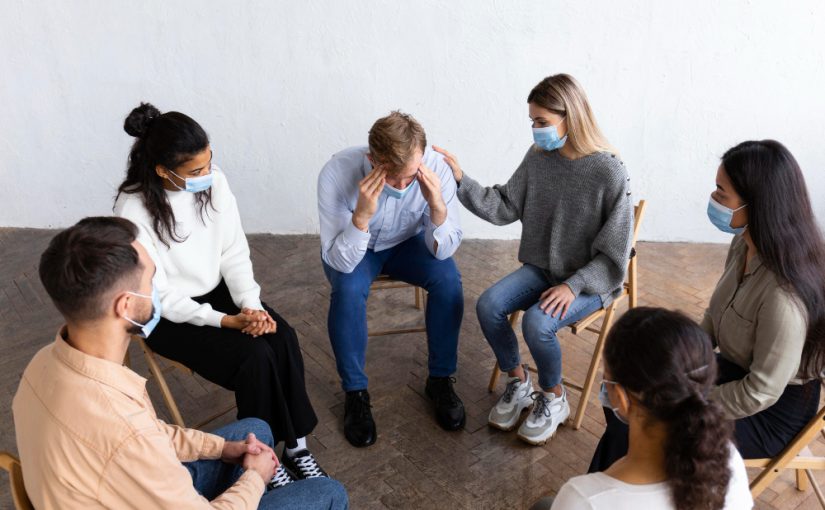
    Group therapy plays a huge role in recovery; many individuals may not realize how alone they feel because of addiction, but with a group of individuals going through recovery together, they will come to see that they are not.

    People can do the following things in group therapy:

    1. Share their own story
    2. Hear about others’ stories regarding addiction and recovery
    3. Receive support from others
    4. Learn how to cope in healthier ways

    All of these things will help to promote a person’s self-esteem as well as help in the healing process emotionally. Whether you are at a Best Nasha Mukti Kendra in Himachal Pradesh, or you are in a rehabilitation centre in Punjab, peer support is crucial during recovery from substance abuse.                                       

    Within the first week, the patient should be encouraged to:

    • Have a regular sleep schedule
    • Eat healthy foods
    • Drink plenty of water
    • Get regular exercise
    • Practice mindfulness, relaxation and stress management techniques

    Making small changes to a healthy lifestyle will create a foundation for both mental and physical recovery.

    Family Involvement and Support

    The family plays an important role in the process of addiction recovery. Family members can provide emotional support during the treatment process, especially while the patient is in a rehabilitation facility. Some rehabilitation facilities offer family therapy to help patients improve their communication skills and re-establish trust and healthy relationships with their families.

    Building Motivation for Recovery

    Motivating patients to continue treatment during the first week of their stay is key to a successful long-term recovery. Patients frequently arrive at their rehabilitation facility feeling hopeless or emotionally burnt out, so having a positive experience and seeing small improvements in their physical and mental state during the first few days of treatment will help motivate them to continue with their complete treatment plan.

    Importance of Choosing the Right Rehab Centre

    Select the Correct Rehabilitation Centre. Rehab Centers are critical to successful rehabilitation. A professional rehab centre should offer:

    •     Both therapeutic and medical staff
    •     Safe detox facilities
    •     Individualized treatment plans
    •     Emotional and psychological support
    •     A clean and peaceful environment
    •     Guidance on long-term recovery

    A professional rehab centre in Punjab can provide individuals with both medical and emotional support to begin living a clean, addiction-free lifestyle.

    Conclusion

    The first week of rehabilitation is very important for your recovery and your road to living a healthy life. Even though the first part of your new journey may seem like an emotional rollercoaster, proper medical supervision, counseling, and emotional support will help to ease you through now.

    Frequently Asked Questions (FAQs)

    Ques-1 Is the first week of rehab hard?

    Ans- Yes, the first week of recovery can be difficult for both the body and the mind since they will be going through detoxification in a new environment; therefore being under the supervision of a physician is critical to help manage that transition.

    Ques-2 How long does detox generally last?

    Ans- Detoxification will vary based on the person’s health and the type of drugs they use; usually, detox will take anywhere from several days to a week.

    Ques-3 Am I allowed to have visitors While in the first week of rehab?

    Ans- Each medical facility has its own visitation policy; however, most medical facilities will allow very limited access to family members after your initial period of stabilization.


    5 Signs Your Loved One Might Need Rehab

    Rehabilitation for Stroke | Johns Hopkins Medicine

    Rehab is a comprehensive professional framework designed to help people overcome dependence, thereby building the vital skills for long-term recovery. Noticing your loved one struggling with substance use is a painful experience any family can bear. Generally, the shift from stress relief to absolute dependency happens on a gradual scale, thereby making it difficult to know accurately when to step in. Nevertheless, waiting for someone to hit the lowest ebb is a vicious gamble. If you are concerned, timely intervention at Nasha Mukti Kendra in Haryana can prove to be life-saving for you. 

    Here are 5 crucial signs that indicate it is high time to seek professional help.

    1. Changes in Daily Responsibilities

    When someone’s daily life starts to change, it can be a sign that something’s wrong. This can mean they are missing work a lot, not doing well in school, or not taking care of things at home and with money. When substance use starts to get in the way of doing their job or taking care of their home, it usually means they need help from outside. Substance use is becoming a problem when it affects life and responsibilities like work and home. Changes in responsibilities are a big sign that substance use is getting out of control.

    2. Physical and Health Changes 

    Long-term drug use shows up in ways. This can include changes in weight. They might have trouble sleeping, such as staying awake or sleeping a lot. They might not take care of themselves like they used to. You may also see that they have no energy or get sick a lot. These physical signs are often the body’s response to the strain of using drugs.

    3. Shifts in Mood and Social Withdrawal

    Drug use can cause emotional changes. A person may get irritable or anxious easily. They have mood swings for no reason. They might become secretive to keep it private. They might stop going out with friends and family. This isolation helps them avoid talking about their problems. A sign of addiction is losing interest in things they loved. Whether it is sports, art, or social clubs, these interests fade. The focus shifts to getting or using drugs. If a person’s world seems small, it may be a sign they need help.

    4. Reduced interest in Activities

    When someone is dependent on something, they often stop doing things they used to like. This can be anything from playing sports to painting or being part of a club. They just do not seem to care about these things because they are too focused on getting or using a certain substance. If it seems like someone’s life is getting smaller and smaller, that can be a sign that they need help from a professional to get their life back on track. They are having a time dealing with the world around them without someone to guide them, and that is why they need this help.

    5. Difficulty in reducing use independently

    Many people see the impact of their drug use. Try to quit. If they can’t stop, it is often because their body and mind have changed. In these cases, professional help provides the therapeutic support to manage withdrawal and develop coping strategies. They need help to stop using drugs. Drug use is an issue that needs attention.

    Moving Further

    If we see these signs, it can be a step to a healthier future for people with dependency issues. When we talk to a loved one who has a dependency issue, it is better to be kind and understanding and to talk about what we have seen than to judge them. 

    Conclusion

    Dependency treatment programs are a place for people with dependency issues to get help. These programs have an environment, medical care, and counseling to help people with dependency issues understand why they have this problem and to help them start to recover from their dependency issues. You must visit the best and most reliable Rehabilitation Centre in Punjab. Seeking help is a way to deal with health issues and make sure a loved one stays safe and stable for a long time.

    FAQs 

    Ques- 1: How can we tell the difference between an addiction and a bad habit?
    Ans-1: The main difference between them is control. A habit is out of choice that we can stop with minimal distress. Addiction, on the other hand, is a compulsive behavior of an individual that keeps on continuing despite clear negative consequences to the health, relationships, or finances of the person. 

    Ques- 2: What can I do if someone refuses to admit there is an issue?
    Ans- 2: The standard part of the addiction journey is denial. In case they refuse to talk, it can be helpful for you to consult an intervention professional. They can help you in organizing a coordinated discussion that will center on compassion and other precise concerns rather than just judgment. 

    How to overcome drug abuse? Let’s find out!

    The habitual, compulsive, or excessive use of legal or illegal substances is referred to as drug abuse or substance abuse. The substance includes opioids, alcohol, or cannabis. Despite negative consequences, drug abuse involves using several drugs in non-medical ways, which leads to addiction. This is considered a chronic and debilitating disease that is influenced by both genetic and environmental factors. 

    Overcoming drug abuse, thus, becomes a complex and long-term process that encompasses behavioral therapy, detoxification, and several support systems helping in the management of physical withdrawal in combination with psychological dependence. Core concepts include addressing the root cause of addiction, building the skills to cope, thereby creating a structured environment that is free of drugs in order to prevent relapse. You can visit the best Nasha Mukti Kendra in Punjab and know how you can overcome drug abuse.

    Major concepts of overcoming Drug Abuse 

    • Detoxification – Detox — The initial step is detoxification, which involves the management of physical withdrawal very safely under medical supervision. 
    • Behavioral Therapy — Counseling, such as CBT, is helpful for the patients as it helps them in recognising and changing harmful thought patterns as well as behaviours that usually lead to the use of drugs. 
    1. CBT – Cognitive Behavioral Therapy: Recognises, copes with, and avoids the situations that trigger substance use. 
    2. MET – Motivational Enhancement Therapy: Enhances motivation in order to change and enter treatment. 
    3. Contingency Management: Possible and potential tangible rewards for positive behaviors such as staying drug-free. 
    • Support Systems — These include your family, friends, and support groups, which are essential for accountability as well as emotional support. 
    • MAT – Medication-Assisted Treatment — Using medication for the management of cravings and the symptoms of withdrawal, specifically for nicotine, opioids, or alcohol. 
    • Addressing Comorbidities — After all these procedures come the treatment of underlying mental health issues that usually fuel this kind of addiction. 
    • Prevention of Relapse — Then comes the development of strategies in order to handle triggers and cravings, which lead to addiction through changes in lifestyle and continued care. 


    Main steps for overcoming drug abuse 

    A comprehensive approach combines various methods — 

    1. Acknowledge the problem first: You must admit that there is a need for change. 
    2. Seeking professional help: You have to consult the best addiction specialists. 
    3. Creating a Treatment Plan: It is crucial to choose a tailored program, either counseling or rehab. 
    4. Removal of triggers: You need to eliminate such substances and break ties with environments or even people that facilitate the use of drugs. 
    5. Building a new routine: It would be effective if you started focusing on your health, hobbies, and supportive relationships as well. 


    The stages of change 

    Recovery after drug abuse treatment is rarely a linear process but instead a multi-stage journey — 

    • Precontemplation/Contemplation — This involves recognising that addiction is very harmful and that a problem really exists. 
    • Preparation — This encompasses the decision to make a change and also seeking several resources – treatment programs, support groups. 
    • Action — Stopping substance use actively, thereby engaging in therapy or detox. 
    • Maintenance — Development of new skills in order to prevent relapse and management of triggers, which can take months or even years. 


    Steps towards your long-term recovery 

    1. Identify and avoid triggers – You need to recognise people, places, or even emotions that can cause cravings. 
    2. Establishing new habits – This involves replacing drug-seeking behaviors with healthy ones such as hobbies, exercise, or meditation. 
    3. Building a strong support system – Surround oneself with family, friends, or even group members who support sobriety rather than drug use. 
    4. Managing Relapse – Treating relapse as a setback instead of a failure, utilising it as a learning experience to strengthen future prevention. 


    Conclusion 

    Reducing the use of drugs or completely quitting them can help improve your life in several ways. For the best and most effective treatment for drug use, you must visit the best Nasha Mukti Kendra in Himachal Pradesh. It can improve your physical as well as mental well-being, thereby reducing the risk of permanent damage to your vital organs and even death. This can also improve your relationships with your family and friends. This will help you reconnect with your emotions, increase your energy levels, improve your appearance, help you sleep better, and save you a lot of money, which you can save for your future. You must always remember that it is never too late to quit using drugs. 

    Do you want to live a life free from evil addictions? Read along to know how!

    Do you often feel exhausted and overwhelmed? Thinking of how to get rid of your addiction to drugs or alcohol? Here’s the perfect solution: Om Nasha Mukti Foundation – the best de-addiction centre in India. Our foundation offers a comprehensive procedure aiming at eliminating the person’s dependence on substances through psychological counseling – CBT, medical detoxification, as well as social support to prevent relapse. We address de-addiction as a chronic brain disease and not a moral failing. This requires medical attention. Therefore, you must visit Om Nasha Mukti Kendra without a second thought and have a great, fulfilling life ahead.

    Core Assistance – From Us To You

    Your entrenched resistance to addiction can prove to be beneficial prior to the solutions we provide. We emphasise behavioral changes, thereby treating both physical withdrawal and the mental health issues that are underlying, with the purpose of helping you achieve long-term recovery as well as improved and enhanced quality of life. We help you with:

    ● The reduction of dependence,
    ● Achieving partial and even full abstinence,
    ● Enhancement in the quality of life.

    As you know, it is a lifelong process that is ongoing instead of a quick fix. Therefore, it might take some time to get out of the addiction. We address your psychological dependency by teaching you new methods of coping as well as altering the triggers of the environment.

    Treatments and Approaches Of Addiction

    Psychological Therapy: CBT and other counseling for the purpose of changing the addictive behaviours.
    Detoxification: Medical management of the symptoms of physical withdrawal.
    Support Systems: Step-by-step programs as well as support of peers to
    maintain sobriety.
    Prevention of Relapse: Great strategies for the management of a variety of triggers and for the avoidance of returning to the use of drugs and alcohol.

    Success in de-addiction needs addressing all the aspects of addiction – mental, physical, and social, as we address addiction as a chronic brain disease and not a moral failing. With the help of holistic approaches such as yoga and meditation, our experienced staff of counsellors and medical professionals helps you to get a healthier lifestyle for a happy and bright future.

    Stages of Treatment

    Intake as well as Assessment: This involves the evaluation of the physical and
    psychological state, social situation, and history of substance use to create a treatment plan tailored to your needs.
    Detoxification: It encompasses the removal of substances from your body for the purpose of managing the symptoms of withdrawal. This is medically supervised and safe.
    Rehabilitation: It is inclusive of intensive therapy, education to change the behaviour, and counselling.
    Aftercare: The care includes support groups, counselling, long-term support, and also sober living arrangements for the prevention of returning to substance use.

    Why should you choose Om Nasha Mukti Kendra?

    Being the best Nasha Mukti Kendra in Punjab, we are known to be the most trusted and reliable centre where you can come zonked out and go back clearheaded. Effective de-addiction encompasses breaking the cycle of dependence via the guidance of professionals, thereby creating a healthier and more active lifestyle. It is crucial in order to prevent the severe complications related to your health and to repair your relationships as well. You must visit our centre, where
    Our expert professionals will offer you the best advice coupled with the best and most effective treatment, which will prove to be fruitful to you.

    FAQs:

    Q1: What is the need for psychotherapy for de-addiction?
    A1: With the help of psychotherapy, people often learn about their thoughts, feelings, conditions, behaviours, as well as moods. They learn how they can take control of their lives, thereby responding to the challenging situations with great and healthy skills of coping skills.

    Q2: What are the opening and closing timings of your centre in case we need to call and consult?
    A2: Om Nasha Mukti Kendra has a 24/7 facility. You can call us anytime and consult regarding your issues related to de-addiction and mental illness as well.

    Q3: Do you have a government licence?
    A3: Yes, we do. We are certified by the government, and we abide by the policies of the government.

    Best Nasha Mukti Kendra in Punjab Helping Build a Drug-Free Future

    Addiction to drugs is one of the biggest problems among families and communities throughout northern India. Substance abuse hurts your physical health, but it can also destroy relationships, job prospects, and emotional stability for many people! Choosing the best Nasha Mukti Kendra in Punjab will be your first and most important step toward recovery and moving forward in life.

    The best Nasha Mukti Kendra in Punjab provides a regulated, professional, compassionate environment for all individuals who seek help with drug and alcohol issues. Whether you are abusing alcohol, opioid medications, synthetic drugs (like meth or ecstasy), or prescription medication, getting treatment early and receiving proper rehabilitation will greatly increase your chances for a full recovery. Remember: Addiction is not weakness; it is an illness and requires expert care along with emotional support to treat it.

    A Safe and Supportive Environment for Recovery

    One of the significant reasons why the Best Nasha Mukti Kendra in Punjab is different from other rehabilitation centers is due to the patient’s ability to have access to a safe and disciplined environment. The recovery process is a step-by-step process; therefore, one must have stability, structure, and supervision within the rehabilitation process. The tranquil environment of the center provides 24/7 medical staff, including doctors and trained counselors, who monitor your health and treatment during the detoxification process and throughout the entire rehabilitation experience.

    The Best Nasha Mukti Kendra offers patients clean accommodations, wholesome meals, and a daily routine. Building and maintaining these routines will allow individuals to establish and rebuild their discipline and take back control of their lives. The peaceful environment of the center will help patients be free from all attitude triggers and negative influences so they can concentrate on healing.

    Individualized Treatment Plans

    Each person has a unique addiction journey, which is why the Best Nasha Mukti Kendra in Punjab designs customized treatment programs tailored to each patient’s medical condition, history of substance use, and mental health status.

    Typical treatment programs include:

    • Medical detoxification under medical supervision
    • Individual counseling and psychological therapy
    • Group therapy sessions that offer an opportunity for peer support
    • Yoga, meditation, and stress management techniques
    • Family Counseling and Rebuilding Relationships

    The comprehensive methods used by this program help the patient achieve lasting success instead of temporary success. A similar approach is available at a well-known rehab centre in Himachal Pradesh, where mental health and addiction recovery are integrated into an overall package of total recovery.

    Focus on Mental and Emotional Healing

    Emotional and mental recovery is important to understanding why addictions develop. Addictions usually develop because of stress or trauma along with depression or emotional challenges. The Best Nasha Mukti Kendra in Punjab recognises that we must deal with the reasons behind an addiction to address the underlying issues causing substance abuse. As therapists work with patients to identify triggers and develop better coping mechanisms.

    Therapy is an important part of helping the individual change negative patterns of thought, in addition to developing self-confidence at the Best Nasha Mukti Kendra in Punjab. Meditation and other types of wellness programs support emotional balance. During the time spent at any of the addictions treatments centers, especially at the Best Nasha Mukti Kendra in Punjab, many of the patients who thought they had no reason to live now have renewed hope and are motivated to do something with their lives.

    In addition to these services, one of the most well-known Rehabilitation Centres located in Himachal Pradesh has made mental health counseling an integral part of their recovery model, and the Best Nasha Mukti Kendra in Punjab has also enabled patients to achieve true emotional healing.


    Family Involvement & Community Support

    Family involvement will not only aid recovery because addiction is a family disease that affects the whole family when the Best Nasha Mukti Kendra in Punjab actively involves family members in counseling sessions; the families rebuild trust and understanding with one another creating significant chances for a successful long-term recovery.

    Furthermore, the centre also conducts community awareness programs to educate youth on the dangers of drugs and alcohol by educating as much as they treat. These awareness programs are vital in creating a drug-free society.

    Aftercare and Long-Term Recovery

    Preventing relapse is the ultimate goal of rehabilitation; therefore, when treatment is over, the success of the programme continues with aftercare support, follow-up counselling, and relapse prevention: these services will be available after completion of treatment at the Best Nasha Mukti Kendra in Punjab. These services will provide support for career rebuilding, managing stress, and reintegrating into society while keeping the patient on the right path at the Best Nasha Mukti Kendra in Punjab.

    Patients are motivated to continue with the healthy habits learned in therapy by receiving support through follow-up appointments from the aftercare team. As a result, regular follow-up appointments provide patients with accountability and emotional support, thereby decreasing the likelihood of returning to the use of drugs.

    Many patients also have recovery options available to them outside of Punjab (i.e., because of the successful therapy rate in rural areas), including one well-known and recommended rehabilitation centre in Punjab, and located in Himachal Pradesh that has a peaceful atmosphere and is highly regarded, but it is important to note that the best addiction services in the region are available in Punjab.

    Nasha Mukti Kendra in Himachal Pradesh to Help Your Family Beat Addiction

    Nasha Mukti Kendra in Himachal Pradesh and OM Nasha Mukti Kendra in Punjab provide essential support for individuals and families battling addiction. Addiction is becoming increasingly prevalent in Northern India, particularly in Punjab, affecting not just the individual but also their family and friends. The first step toward sustainable recovery is choosing a rehabilitation centre with the right approach for its patients. By combining medical treatment, emotional support, and evidence-based methods, OM Nasha Mukti Kendra ensures that families receive the guidance and care they need to rebuild their lives and regain hope for the future.

    Table of Content

    1. Introduction
    2. Why Choose a Nasha Mukti Kendra in Himachal Pradesh?
    3. OM Nasha Mukti Kendra: Leading Rehabilitation Centre in Punjab
    4. Nasha Mukti Kendra in Himachal Pradesh Overview
    5. Proven Addiction Recovery Programs
    6. Family Support at the Nasha Mukti Kendra in Himachal Pradesh
    7. Getting Started with the Nasha Mukti Kendra in Himachal Pradesh
    8. Conclusion
    9. FAQ

    Why Choose a Nasha Mukti Kendra in Himachal Pradesh

    OM Nasha Mukti Kendra is the best one-stop resource for high-quality, dependable support in recovering from addiction. We are the Leading rehabilitation centre in Punjab when it comes to combating the epidemic of drug addiction. Our mission is to rehabilitate and support the community by providing both short-term rehabilitation and long-term recovery support for those impacted by addiction.

    As the leading rehabilitation centre in Punjab, our primary focus is to rehabilitate patients with opioid, alcohol, and other substance abuse problems. We also have a second branch in Himachal Pradesh, called Nasha Mukti Kendra, which offers a calm environment and therapies for clients seeking recovery. At Nasha Mukti Kendra in Himachal Pradesh, we offer a calm, quiet environment while still providing clients with a safe, high-quality of life.

    OM Nasha Mukti Kendra: Leading Rehabilitation Centre in Punjab

    OM Nasha Mukti Kendra, Punjabs top drug rehabilitation facility, has a variety of addiction therapies for opiates, alcohol, and other types of drugs. All of our OM Nasha Mukti Kendras are wellstaffed, and our staff provide structured support to every patient in a compassionate, evidence-based manner.

    The majority of our clients receive written treatment plans that detail the services they will receive to achieve optimal recovery, depending on how they feel physically and psychologically. Based on our evaluation of client outcomes, we estimate our recovery success rate is over 70%, and we are committed to developing treatments that meet our clients long-term recovery needs and goals.

    Nasha Mukti Kendra in Himachal Pradesh Overview

    OM Nasha Mukti Kendra Rehabilitation Centre in Punjab, along with our Nasha Mukti Kendra in Himachal Pradesh, provides beneficiaries with evidence-based programs that include detox, medically supervised detoxification, CBT, and group therapy.

    Proven Addiction Recovery Programs

    OM Nasha Mukti Kendra in Himachal Pradesh provides people/beneficiaries with an evidence-based program that includes detox, with an emphasis on medically supervised detoxification, CBT, and Group Therapy.

    Key programs:

    • 12-Step Recovery Program, Community Support
    • Yoga and Meditation. Helps reduce the risk of relapse.
    • Family Counselling. Helps restore family relationships.

    At OM Nasha Mukti Kendra, a trusted Nasha Mukti Kendra in Himachal Pradesh, we monitor clients’ progress daily and develop personalised nutrition plans to enhance physical health and overall recovery.

    Family Support at the Nasha Mukti Kendra in Himachal Pradesh

    In addition to Individuals, Addiction also affects whole families. Families are a key focus at our Nasha Mukti Kendra in Himachal Pradesh. Families can learn about relapse prevention, coping strategies and how best to support their loved ones’ recovery at home through Family Visits once a week, Family Workshops, and Family Counselling sessions.

    The Nasha Mukti Kendra we are affiliated with in Himachal Pradesh allows Family members to be involved in Therapeutic Activities in a tranquil supportive setting. This combination of nature and support is ideal for Nasha Mukti Kendra therapists, who use their professional skills to assist families on this journey of Healing.

    Getting Started with the Nasha Mukti Kendra in Himachal Pradesh

    The first step towards recovery can be difficult and may seem impossible; however, choosing the right Rehabilitation Centre in Punjab can ease this process and make it a more effective journey for the individual and their family.

    Along with our Punjab facilities, we also have a Nasha Mukti Kendra in Himachal Pradesh that provides individuals with a tranquil, nurturing atmosphere where they can find the peace they need to successfully detox and recover. We utilise medical supervision, counselling, and nature-based therapy so that individuals can focus entirely on their recovery without distractions from their daily lives.

    Conclusion:

    Choose OM Nasha Mukti Kendra, the premier Rehabilitation Centre in Punjab, to guide your family towards addiction-free lives. With proven programs, expert care, and comprehensive support, including our Nasha Mukti Kendra in Himachal Pradesh, recovery is within reach. Contact us today and take the first step.

    FAQ:

    Ques-1 What makes OM Nasha Mukti Kendra the best Rehabilitation Centre in Punjab?
    Ans- As a Rehabilitation Centre in Punjab, OM Nasha Mukti Kendra offers customised detox, therapy, yoga, and family support, and guarantees success rates of over 70%.

    Ques-2  How does the Nasha Mukti Kendra of Himachal Pradesh relate to the services offered in Punjab?
    Ans- The Nasha Mukti Kendra in Himachal Pradesh offers serene retreats as part of OM Nasha Mukti Kendra’s network, easily accessible from Punjab for nature-based recovery.

    How to Get Family Counselling at a Rehabilitation Centre in Himachal Pradesh?

    Rehabilitation Centre in Himachal Pradesh provide beautiful, peaceful facilities; however, recovering from an addiction is more than a nice view. It can be challenging to repair broken family bonds, which are often an obstacle to recovery. Since addiction affects the entire family, it is referred to as a “family disease. Additionally, this article will provide you with an overview of the steps involved in accessing services to support your family.

    How Family Counseling Works in Recovery

    Although physical detoxification is a primary focus of patients entering a Rehabilitation Centre in Himachal Pradesh, the success of long-term recovery is based on your home environment. With the help of family counseling, family members will learn how to recognize the triggers that lead to addiction and be taught how to provide healthy support to their loved ones without enabling them to continue to participate in harmful behaviors.

    Many families from adjacent areas also turn to the Rehabilitation Centre in Himachal Pradesh for assistance with their loved ones who are addicted to drugs. The ultimate goal is to unite family members and provide support for one another to end the cycle of dependency.

    Follow These Steps for Family Counselling at a Rehab Center in Himachal Pradesh

    Involving families in recovery is a structured process. Family Inclusive Therapy (FIT) has priority in the majority of Himalayan Region Rehabilitation Centers.

    Orientation and Screening

    At the Rehabilitation Centre in Himachal Pradesh, family members of clients are screened through an intake interview where therapists can identify the client’s Family Dynamics. Family Dynamics include “codependency,” “communication barriers” and other issues that have contributed to the stress in the home environment.

    Scheduled Family Therapy Appointments

    After the client has reached a level of stabilization, therapists will schedule appointments for Family Therapy every week or every two weeks, via phone, or face-to-face at the rehab center. Family Therapy allows families to share the pain of the recovery process, their frustration and anger with their family member, their own hopes for their family member, and so on, within a safe therapeutic environment.

    Educational Workshops

    The focus of a top Rehabilitation Facility in Himachal Pradesh is not only providing effective therapy but also educating people on the Neurobiological causes of Addiction. By identifying Addiction as a Brain Disease, families can attempt to work together to support each other instead of blaming each other. This is very similar to how the Community Education Programmes in Punjab at Rehabilitation Centres function.

    Why Families from Northern India Turn to Himchal Pradesh

    Rehabilitation Therapists in Himachal provide families with an opportunity to discuss Addiction and Dependency in an environment where there is a much lower level of stress and intimidation. Due to the high level of family dysfunction and stress, the conversation about Addiction is often strained at the family level. 

    The Integration of Local Support Networks

    Once individuals complete their Intensive Work at the Rehabilitation Centre in Himachal Pradesh, their Return Trip to their home environment can be a critical moment. Rehabilitation Therapists frequently collaborate with Nasha Mukti Kendra in Jammu , Punjab and provide families with the resources they need to continue their Healing in a Local Area after returning to Jammu from Himachal Pradesh.

    It is essential to remember the importance of the Nasha Mukti Kendra as a local means of support. Staying connected with the Nasha Mukti Kendra in Jammu ensures that the “Himachal experience” is more than just a break but rather an important step toward permanent lifestyle changes.

    Overcoming family resistance to counselling

    Some family members may not be open to the idea of seeking therapy. The professional Rehab Centers in Himachal Pradesh have interventionists available who can educate family members about how to improve the success rates of the patient by over 50% by increasing their participation in the recovery process. While you may have initially looked for a Nasha Mukti Kendra in Punjab, by utilizing the specialized family programs in Himachal, you gain a new perspective. 

    The Importance of Aftercare

    Aftercare remains essential after an individual completes their inpatient treatment at a drug Rehabilitation Centre in Himachal Pradesh . Most facilities offer an aftercare program, typically lasting for 6 months and including monthly check-ins. For individuals whose family lives in Jammu/Kashmir (J&K), they can attend a Nasha Mukti Kendra (Nasha Mukti Center) in Jammu for their follow-up appointments to help keep the family accountable to the rules established during inpatient rehab.

    Conclusion

    Investing in family counselling at a drug rehabilitation facility in Himachal Pradesh will pay off in years to come. Whether you are transitioning from a Rehabilitation Centre in Himachal Pradesh or starting fresh in the hills, combining clinical experience with family support is the proven formula for a drug-free future.

    FAQ:-

    Ques-1 How does family counseling in Himachal Pradesh improve recovery success?
    Ans. It identifies dysfunctional family dynamics like codependency and teaches members how to provide healthy support, which can increase patient success rates by over 50%.

    Ques-2 What happens after completing treatment in Himachal if the family lives in another state?
    Ans. Therapists coordinate with local centers like a Nasha Mukti Kendra in Jammu or Punjab to provide continued aftercare, ensuring the family remains accountable and supported.