
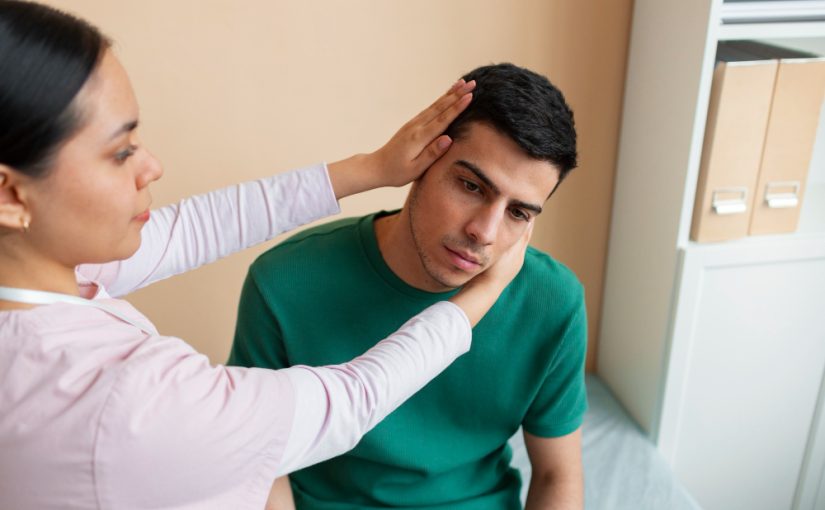
Myths about rehabilitation centres often prevent people from seeking the right treatment for alcohol or drug addiction. People may avoid the appropriate treatment for their alcohol or drug dependency due to misconceptions about rehab centers. Many individuals and families think that they could cure addiction by themselves and that rehabilitation centres are just for individuals with serious addiction issues. Such misconceptions might further prolong recovery and unnecessarily cause anxiety.
The reality is that addiction is a complex health issue that can impact all aspects of health, mental health, relationships and daily functioning. Individuals can recover by receiving professional treatment, counseling, medical guidance and family support. Being well-informed about rehabilitation centers is the first step to making informed decisions.
Let’s take a look at 10 common myths about rehab centres and discover the reality.
1. Rehabilitation centres only work for severe addictions
A common myth is that rehabilitation is only necessary if someone has become totally out of control in their lives. But individuals are able to get professional assistance at various points of their substance addiction. Timely interventions can prevent the escalation of addiction-related issues. Earlier is always better when seeking advice.
2. The disease of addiction can be overcome with just willpower
Many people think that someone can just decide to quit drinking or drugging. While personal motivation plays a role, changes in the brain, emotional state and behavior may also be part of addiction. Medical assistance, behavioural therapy and counselling may be used, as appropriate, as professional treatment. Recovering takes sometimes more than will power.
3. Rehabilitation Centres are like prisons
Another myth is that patients do not feel free to move around in rehab centres and that they are forced to stay there. The key points of a professional rehabilitation environment should be safety, dignity, emotional support, and recovery. Families should know how the centre treats patients, their rights, the facilities provided at the centre and what happens every day before deciding on a centre.
4. Drug Addicts need only rehabilitation
Anyone who has ever used illegal drugs can undergo rehabilitation. People with alcohol addictions, prescription drug dependency and other drug use issues can also receive expert evaluation and treatment. Treatment will vary based on the substance or drugs being used, the level of dependency and the individual’s overall health.
5. Detoxification and “clean-up” only is all that is required for recovery
Clearly, detox does not address all of the psychological or behavioral components of addiction, but it is a helpful process for the body that helps cope with the physical withdrawal from drug or alcohol. Ongoing counseling, recovery planning and follow-up support may be required. Detox can also pose significant medical risks, particularly if someone has been withdrawing from alcohol or some drugs, and should be carefully evaluated and monitored by a qualified health care provider.
6. Everyone is treated equally for rehabilitation
Addictions are unique to each individual. They may have different medical, substance use, emotional, family, and recovery issues. Treatment, therefore, should be individualized, and not one-size-fits-all.
Families need to find the Best Rehabilitation Centre in Punjab that can cater to the unique needs of each person and adhere to proper professional treatment methods. Relevant and manageable recovery can be achieved through personalized care.
7. Family Members Do Not Need to be Involved in Rehabilitation
Some families think that everyone should only be to blame for the addiction and treatment. But when families are involved in a positive way, it can be emotionally encouraging and rebuild trust. Family counseling can also help family members learn to communicate effectively, set boundaries and support recovery without judgment.
8. Relapse is NOT a failure of treatment
One of the most unrecognized parts of addiction recovery is the possibility of relapse. Some individuals think that if they use drugs again, then treatment failed. However, in practice, relapse may signal the need to review one’s treatment plan or seek further help. This should be considered a serious warning sign, not a reason to quit. People can get back on their recovery plan when getting professional advice at the proper time.
9. While mental health is a vital part of addiction treatment, there is no connection between the two
There is a bi-directional relationship between addiction and mental health. Anxiety, depression, stress, or emotional problems may also occur with some individuals who are experiencing substance dependency. Failure to address these issues could complicate recovery. A thorough evaluation by a professional and appropriate care and support for mental health issues can be addressed in a comprehensive treatment plan.
10. How to survive after leaving a rehabilitation centre
It is a great step to finish a rehab program, but there does not have to be an end to recovery. There may be ongoing counselling, support of the family, healthy routines and regular follow-up required. Maintaining progress in a stable lifestyle and knowing how to manage triggers are important in maintaining progress after treatment.
How to Choose the Right Rehabilitation Centre?
It is a crucial choice for a person and his family to select a rehabilitation centre. When selecting a dental care provider, here are a few points to keep in mind instead of just going by the word of mouth or the promise of rapid healing:
Ensure that the centre meets the specified registration/licence requirements under relevant regulations.
- Inquire about certified psychiatrists, doctors, counsellors and trained support.
- To know the process of treatment and medical facilities available.
- Check if counselling and family involvement is part of it or not.
- Inquire about emergency plan and medical supervision for detox.
- Know about the support that’s available after and to prevent a relapse.
These factors can be useful in helping families to make decisions and choose an appropriate treatment setting.
How Om Nasha Mukti Kendra Encourages Addiction Recovery
Om Nasha Mukti Kendra’s approach to addiction recovery is inspiring.Om Nasha Mukti Kendra’s program in addiction recovery is uplifting.
Om Nasha Mukti Kendra‘s mission is to help people struggling with alcohol and drug dependence to recover in a planned and supportive process. It is crucial to understand addiction without judgment because there are many different personal and emotional issues each person has to deal with.
The focus of rehabilitation should go beyond stopping substance use. There are ways to help people achieve a healthier lifestyle through counseling, professional guidance, positive daily habits and encouragement from family. Om Nasha Mukti Kendra urges anyone or any family to get professional help when it is needed and not delay it due to social stigma or common misconceptions surrounding it.
Conclusion
Often, people think of a rehabilitation centre in false terms and this can deter them from seeking the assistance they need. Addiction is a treatable disease and recovery takes time, guidance, and hard work. Knowing the facts enables families to better make treatment decisions and offer their loved ones support. People can make positive changes to their lives and improve their health and well-being with proper treatment and support.
Frequently Asked Questions (FAQs)
1. Who should consider joining a Rehabilitation Centre?
Ans- If use of substances is negatively impacting physical health, mental health, family, work or daily functioning, a professional evaluation is a prudent step to take.
2. Is the rehabilitation done for some permanent?
Ans- Yes. Many people respond to the right treatment and make progress that makes a difference. Ongoing counseling, healthy lifestyle and family support, and ongoing care can help keep recovery going.
3. What are families looking for in a rehabilitation centre? (3)
Ans- Families should check registration or licensing, qualified medical professionals, treatment methods, safety arrangements, counseling facilities, and aftercare support.