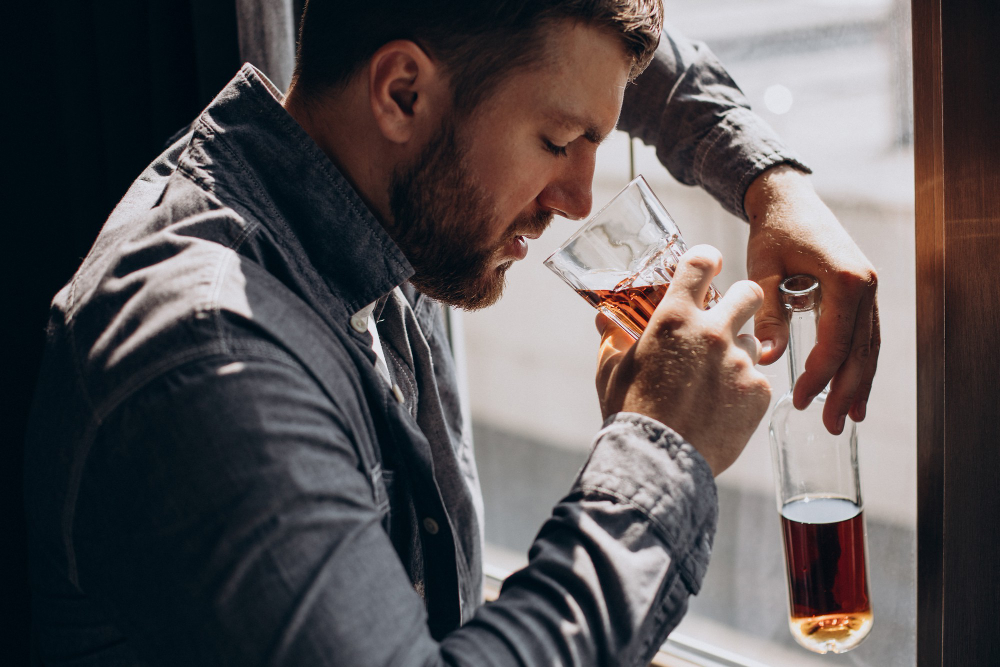


Alcohol Addiction is not a bad habit but rather a health issue that affects one’s body, mind, relationships and overall quality of life. Addiction to drugs or alcohol can slowly consume a person and make it impossible to carry on with life without assistance from a professional. However, recovery from addiction is possible with appropriate treatment and support. A good place to begin your recovery journey is through a licensed Nasha Mukti Kendra in Punjab, where you will receive medical treatment, counselling and rehabilitation if necessary for defeating your addiction and starting your new life.
Alcohol Addiction: Understanding the Need for Timely Treatment
Many people become dependent on alcohol as they develop their drinking habits at first. Depending on how often they drink alcohol can influence how much alcohol they will likely end up drinking once it’s time for them to stop due to developing this alcohol addiction and/or experience withdraw symptoms after stopping drinking. Many people develop their alcohol addiction for a number of reasons, but they will usually have their own reasons for denying that they can be successful in stopping drinking when they are ready. However, extended periods of alcohol abuse can ultimately lead to organ damage like the heart, liver, brain and many other major organs.
Receiving Treatment to assist the user in experiencing withdraw symptoms (safely) and dealing with their emotional and/or psychological issues related to their alcohol dependency. Interventions at an early stage will increase the individual’s recovery experience and the level of health problems that could cause long term effects on their overall well-being.
Why Drug Addiction Requires Professional Care
Anyone can suffer from drug abuse, regardless of their age, occupation, or personal history. Opioids, heroin, cocaine, marijuana, and many prescription medications can create both physical and psychological dependency over time.
If left untreated, drug abuse can create financial problems, legal problems, family problems, and serious health complications. Professional rehabilitation offers a structured environment for people to get medically supervised, emotionally supported, and professionally treated so that they can regain control over their lives.
Common Signs of Alcohol and Drug Addiction
If you’re worried about an addiction developing, you can take steps to address it. Here are some of the most frequent signs:
- A strong desire to drink or use drugs
- An inability to stop using substances or regulate your use
- Ignoring or neglecting home, work, and other obligations
- Having bad moods, feeling anxious, and being depressed
- Having sleeping difficulties
- Experiencing withdrawal symptoms when attempting to stop or cut down
- Having financial and/or relationship issues caused by substance use
If you are exhibiting even one of these signs, it’s strongly recommended that you seek help from a health care professional immediately.
Treatment Options for Alcohol and Drug Addiction
Everyone’s recovery is different therefore the treatment plan for recovery varies based on their individual situation. To be successful in their recovery, every person needs their own individualized treatment plan, depending on the level of their addiction and health status.
Medical Detoxification – It is normally the first stage of addiction recovery. During detoxification the substances they are addicted to are safely removed from the body while under medical supervision. If a doctor feels it is needed, they will monitor withdrawal symptoms and give medications to help make the patient safe.
Individual Counselling – One-on-one therapy sessions are used to help an individual understand why they are addicted to their substance. During the sessions the therapist will help the patient develop healthy coping skills that will assist them in not relapsing after rehab.
Group Therapy – Group therapy allows patients to meet with other people going through similar challenges. Sharing with others who have the same experience lowers the feeling of being alone and creates motivation for patients as they work on their recovery.
Family Counselling – Addiction impacts every member of the family. Family counselling helps families rebuild trust, learn how to communicate better with one another and gain knowledge on how to be supportive of their loved one’s long term recovery.
Relapse Prevention – Recovery continues even after completing treatment. Relapse prevention types of program provide clients with practical strategies to identify triggers, handle stress, and maintain sobriety during their everyday life.
The Importance of a Personalized Recovery Plan
No two people’s experiences with addiction are identical. The type of substance abused, how long the person was addicted, any co-occurring mental illnesses, and if they have familial support can all have a direct impact on an individual’s ability to recover from their addiction.
A custom treatment plan based solely on the individual’s needs provides better odds for long lasting recovery than using a single treatment method for every person.
Healthy Lifestyle Changes During Recovery
It takes more than just quitting drinking or drug abuse to successfully address substance use disorder; it requires creating a healthy lifestyle by developing daily habits such as:
- Having a healthy diet
- Exercising frequently
- Having a practice of meditation/yoga
- Establishing healthy sleeping patterns
- Forming positive relationships with others
- Participating in hobbies or fun activities
By taking on these habits, you will improve your physical and mental health as you recover from substance use disorder.
Supporting a Loved One Through Recovery
Families have an important part to play in a person’s recovery from addiction, and it is important that family members do not blame or critisize loved ones, but rather direct loved ones to seek out treatment, offer emotional support to one another, and celebrate even the smallest breakthroughs.
It will take time for an individual to recover, and the recovery process requires a considerable amount of patience. Having a supportive family member can provide the best opportunity for someone to remain sober over a long period of time.
Conclusion
Alcohol and drug addiction do not seem to be possible to overcome, however, with the help of a trained professional and early intervention, they can never go away. Finding the right time for an individual with an addiction to get help will significantly improve their physical health, rebuild their damaged relationships, and create a new and chance-filled life for them. If you, or a loved one, is struggling with addiction, a highly regarded Rehabilitation centres in Punjab can offer the necessary and complete care, counseling, and ongoing support needed for long-term success.
Frequenlty Asked Question:
1. What is the length of time that it takes to go through an alcohol and drug addiction treatment program?
Ans- The length of an alcohol and drug addiction treatment program depends on the person’s individual condition; however, a treatment program usually lasts between three weeks and six months.
2. Is it possible to treat someone with an addiction and have them make a complete recovery?
Ans- Yes. Many individuals have achieved a full recovery and now lead happy, healthy, and drug-free lives M-F, 24/7 with ongoing support through the use of medical treatment and counselling services.
3. Is rehabilitation center patient information private or confidential?
Ans- All treatment facilities have strict protocols in place that ensure all patient documents, electronic or paper, remain private and confidential. All facilities offer a private, secure, and courteous environment for all patients receiving services while undergoing addiction treatment.