

Welcome to Om Nasha Mukti Foundation

    Treating Mental Health and Addiction Simultaneously

    Mental Health and addiction are closely connected, and treating one without addressing the other can make long-term recovery more difficult. Most people suffering from drug dependence are also confronting emotional difficulties such as anxiety disorders, depression, trauma, and stress. When mental disorders appear, an integrated method helps one heal and recover.

    Mental Health and Addiction: Understanding the Connection

    Addicting substances may remain closely linked to psychological issues because some people may opt for alcohol or drugs to deal with their emotional suffering, distress, isolation, or previous trauma. As a result, with time, this may exacerbate the mental health issues already present and lead to even more problems at work, in relationships, and throughout daily existence.

    Likewise, continued use of addictive substances may affect people’s sleep, moods, attention, and emotional state, thus forming the situation in which poor mental health leads to larger indulgence in addiction and consecutive addiction takes its toll on emotional well-being.

    Mental Health Assessment During Addiction Treatment

    A thorough evaluation is key, as health providers inquire about substances use, mood issues, medical background, family history, sleeping habits, and prior care. This information is used to identify the problems that need to be resolved, as well as check if special mental health aid is needed.
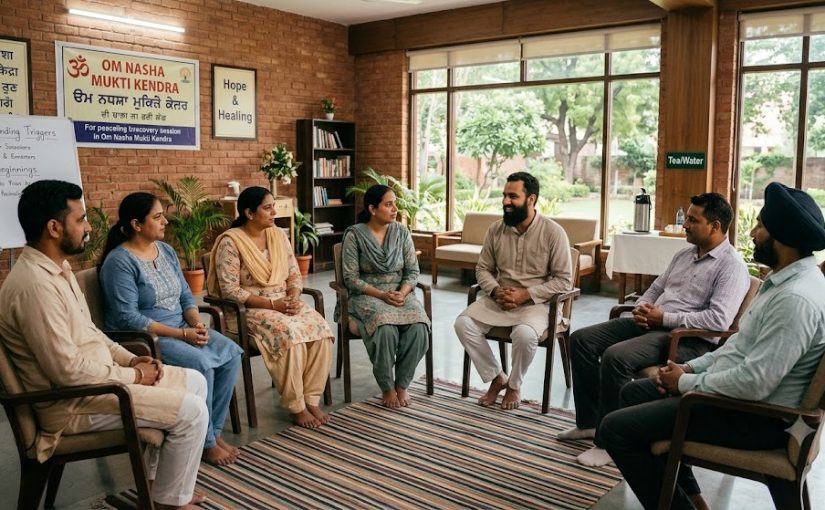
    Instead of looking at addiction as a standalone issue, professionals design a recovery plan that caters to the individual’s physical, psychological, and emotional needs. At some places like Om Nasha Mukti Kendra, treatment involves creating an organized space for those in recovery so that they can work on their issues while still getting the necessary emotional support.

    Mental Health Treatment Alongside Addiction Recovery

    Treatment can consist of counseling, behavior therapies, involvement of family members, lifestyle changes, and medical treatments when indicated. Therapy helps individuals recognize dangerous thought and behavior patterns, learn about triggers and coping strategies, and gain confidence in how to deal with difficult situations.
    For those who are looking for professional help, finding the Best Nasha Mukti Kendra in Haryana involves considering issues like staff qualifications, tailored treatment approaches, counseling services, aftercare options, and safety of the recovery setting.

    Mental Health, Therapy, and Relapse Prevention

    The process of relapse prevention has an essential role in rehabilitation. Emotional strain, troublesome situations, social influence, and past triggers heighten chances of returning to substance dependence. Recognizing the signs of decline in functioning can enable individuals to avert potential crises.

    The counseling process teaches useful coping mechanisms, such as better communication skills, stress management, development of healthy habits, and the ability to seek help in emotional distress.

    Mental Health Support and Family Involvement

    Having family support may be significantly helpful during recovery. Addiction frequently impacts spouses, parents, children, and other family members as well. Family therapy can enable the family members to gain insights into addiction, improve their communication skills, create necessary boundaries, and support recovery without encouraging harmful behavior unwittingly.

    People who are considering treatment at Best Nasha Mukti Kendra in Punjab should also inquire about whether family counseling services and continuing support after leaving the rehabilitation center are available. This is important since the journey to recovery does not stop after leaving the rehabilitation center.

    Mental Health and Aftercare

    Aftercare is important to help the person continue with their progress following treatment. Particular aftercare services depend on individual needs and may include follow-up counseling, support groups, and medical appointments, as well as family involvement.

    Choosing a treatment center should be based on the needs of the individual rather than just what is claimed in advertisements. Be sure to inquire about the qualifications of the treatment team as well as the services that are available (therapy, supervision, emergency procedures, etc.).

    Mental Health and a Sustainable Recovery

    The simultaneous treatment of mental health disorders and substance abuse permits more complete recovery. By addressing the impact of emotional health along with drinking issues, patients can identify their triggers, learn alternative coping strategies, mend relationships, and get back to their lives.

    If you or someone you know is battling addiction and facing mental problems, be sure to seek an expert evaluation. With professional treatment, time, and support, recovery from addiction is possible.

    Vaping and Youth: The Hidden Risks No One Talks About

    For many years, e-cigarettes have been sold as a safer choice than cigarette smoking. Sleek design, sweet-smelling vapor, and technological marketing campaigns brainwashed a whole generation into believing that vaping is simply harmless water vapor. In Himachal Pradesh, however, this phenomenon has silently made its way from the big cities to the peaceful valleys of Shimla, Solan, Kangra, and Manali. Even though the Himachal Pradesh state government strictly implements stringent laws against the use of e-cigarettes under the Cigarettes and Other Tobacco Products Act (COTPA), there still exists an illegal underground network that specifically targets students through online platforms and local retailers.

    There is a huge mismatch between what teenagers believe they are breathing in and what reality strikes their bodies.Besides the well-known dangers to the lungs, there is another aspect of vaping that goes completely unnoticed on social media pages. You should visit the best rehabilitation centre in Himachal Pradesh. The hidden dangers of vaping are never talked about, but they are constantly shaping youth mentality and physiology.

    1. Hijacking the Brain’s Development – The Synaptic Disruption

    The development of the human brain continues until a person attains mid-20s. During adolescence, the brain is still developing, and it builds its pathways called synapses in order to accommodate learning, memory, and impulse control. The moment a teenager vapes, his/her brain becomes inundated with high amounts of nicotine. Nicotine changes how these important pathways develop. According to research findings, teenage nicotine exposure will permanently dysregulate neural circuitry. This results in a failure by the individual in terms of:Attention spanMood regulationImpulse controlThe rewiring of the brain reward pathway through vaping makes the brain of a child become more prone to chemical addiction in the future.

    2. The Mental Health Paradox – Amplifying Anxiety

    Teens start vaping as a way to cope with stress from studying, exams, or feeling isolated from society. This is because nicotine acts as a strong stimulant, so the first hit will produce a temporary rush of dopamine, giving teens the feeling of relaxation. Yet, this relaxation does not last for long. The high feeling quickly subsides, leading to a sharp crash that induces symptoms similar to acute anxiety, irritation, and even panic. Om Nasha Mukti Kendra supports awareness and guidance for individuals dealing with substance-related challenges. Scientific research shows that people who use e-cigarettes currently have twice the chance to be diagnosed with depression as those who do not vape. Thus, far from helping them mentally, vaping forces young people in Himachal Pradesh to suffer from what they are trying to avoid.

    3.Cellular Sabotage – DNA Damage and Dangers at Higher Altitudes

    As vapes are not made from combusting tobacco leaves, many individuals mistakenly believe that they are free from toxins. Nothing could be further from the truth. The aerosol formed by electronic cigarettes contains various chemicals, such as heavy metals, volatile organic compounds, and ultrafine particles.These chemicals initiate oxidative stress, cellular damage, and severe inflammatory response in tissues. Young people living at the higher altitudes in the state of Himachal Pradesh will experience an even greater strain on their heart. Scientific studies reveal that adolescents who vape have a 15% lower level of physical fitness.The poisonous chemicals immediately cause blood vessels to become inflamed, poor oxygenation, and the quick accumulation of lactic acid. 

    Conclusion

    It should be noted that vaping does not pose any harm to health, but is an extremely complicated problem from a public health perspective, which affects the emotional and physical basis of our younger generation. The awareness of these signs, such as unexpected mood swings, sudden respiratory disorders, poor sports performance, or a strange smell of sweetness in rooms, is vital for Himachali families and parents. The process of overcoming a smoking addiction takes time and requires a willingness to communicate and use only scientific-based methods. If you are looking for help in dealing with your problems with your youth addiction or your mental health, then the best rehabilitation centre in Punjab or Himachal Pradesh is exactly what you need. 


    Drug Addiction Treatment Options at Punjab Rehab Centres

    Centres specializing in addiction recovery play a vital role in helping individuals break free from substance dependence and rebuild their lives. Addiction impacts the physical health of victims, emotional welfare, and family relationship, ending up making the need for specialist intervention very important in order for long-term recovery to take place. There are a variety of rehab programs in the state that provide the necessary medical, psychological, and social support to help people recover properly.

    How Centres Work

    Rehabilitation centers that provide modern forms of addiction treatment usually follow a multi-step recovery process. Since addictions have an impact on both mind and body, rehab programs combine different types of methods as medical treatment and psychotherapies.

    1. Medical Detoxification

    The path to getting well begins with detoxification, wherein the body gets rid of harmful substances in a safe environment while being supervised by qualified medical personnel. The staff keeps track of the person’s vital signs and administers medications to help them deal with withdrawal symptoms in a safe and effective manner.

    2. Effective Psychotherapy

    When detox is done, psychological rehabilitation starts. The use of effective psychotherapy techniques allows the patients to pinpoint the causes of their problems, combat negative thoughts, and learn how to cope with their issues in a constructive way.

    • Cognitive Behavioral Therapy (CBT): Aids individuals in identifying situations that may create problems for them and in adopting alternative behavior.
    • Motivational Interviewing: Builds internal motivation for maintaining sobriety.
    • Individual and Group Counseling: Provides opportunities for self-reflection and aid from peers.

    3. Family Therapy and Rehabilitation

    Substance abuse is not only a concern for the addict; it also has an impact on their family. Family therapy sessions assist in rebuilding the broken bonds, establishing a communication system, and arming the family members with techniques that will help them in supporting their addicted relative during recovery

    How to Choose the Best Rehabilitation Center in Punjab?

    Choosing an addiction Rehabilitation Center in Punjab is a crucial step on the way to a sustainable recovery. The most respectable rehab centers provide attentive and caring coverage from the staff and also have the qualified doctors, psychiatrists, and specialists.

    Key factors to evaluate when choosing a recovery facility include:

    • Custom-made Therapy Plan: Each addiction case is unique, so the approaches must be customized according to the patient’s needs.
    • 24/7 Medical Attention: Continuous medical monitoring throughout crucial periods of recovery.
    • Relapse Prevention Education: Providing training in useful life skills and stress management techniques to keep sobriety in the long run.

    In this field, Om Nasha Mukti Kendra exists as an empathetic, organized treatment center whose main goal is showing individuals how to heal holistically and adapt therapy to their needs.

    Life After Treatment: Prevention of Relapses and Aftercare

    Those who believe in holistic approaches to treatment understand that leaving a clinic marks the beginning of one’s life-long recovery journey. Full-fledged aftercare systems enable individuals to continue being assisted even after leaving the center and provide patients with outpatient therapy, support groups for former patients, and regular follow-ups.

    Conclusion

    Getting free from drug addiction entails being brave, requiring intensive medical attention, and having effective support. Modern treatment facilities offer a definite approach toward the process of recovery. By applying for assistance at a treatment facility, an individual and his/her family may make the first significant step toward a new drug-free life.

    Frequently Asked Questions

    Ques-1 What is the length of time for addiction treatment?

    Ans- The duration of treatment depends on the patient‘s individual circumstances, including the level of dependence and the particular substance involved. The average length of residential program is between 30 and 90 days, followed by outpatient aftercare in most situations.

    Ques-2 What is the role of detoxification in treatment?

    Ans- Detoxification is the first step in treatment, whereby patients are physically taken off drugs and/or alcohol, so that their bodies become accustomed to being free of the toxic substances.

    Ques-3 Is it possible for family members to visit patients at residential rehab centers?

    Ans- Yes, the majority of accredited rehabilitation facilities promote family participation by allowing patients to receive visits from family members during designated times and to also engage in family counseling.

    Treatment For Alcohol & Drugs: Nasha Mukti Kendra in Punjab

    Addiction does not just mean bad behaviours; they are also severe health conditions affecting individuals in many areas, such as their physical wellbeing, mental health, relationship, and overall quality of life. Substance use, whether through alcohol or drugs, causes an individual to lose control of their daily life because they have become dependent on these substances to the point that they cannot function without professional assistance. However, individuals can recover from addiction by getting the appropriate treatment and support. An individual who chooses a reputable Nasha Mukti Kendra in Punjab will receive the care, counselling, and rehabilitation necessary to overcome their addiction and get their life back on track.

    Alcohol Addiction: Understanding the Need for Timely Treatment

    Treatment For Alcohol & Drugs: Nasha Mukti Kendra in PunjabAlcohol addiction is commonly a gradual process. Initially, individuals may start off with drinking once in awhile and slowly become dependent on alcohol and find it extremely difficult to stop without going through withdrawal symptoms. Many people see the early warning signs and have the misconception that they will be able to quit whenever they want to. Once a person has been abusing alcohol for an extended period of time, the chance of having their liver, heart, brain, and other necessary organs seriously damaged becomes very likely.

    Receiving professional treatment assists individuals in successfully managing withdrawal symptoms, while simultaneously assisting them in addressing the emotional and psychological reasons that contributed to their alcohol addiction. Treating an individual as soon as possible will not only help improve their chances of recovering from their addiction to alcohol, but also minimize the individual’s possible long-term health complications due to alcohol abuse.

    Why Drug Addiction Requires Professional

    Drugs affect everyone even if you are young, reasonably young or old, of an age group or otherwise. The physical and psychological nature of the drug, such as opiates (e.g. opiate), heroin, cocaine, psychostimulants (including cannabis), or physicianally prescribed medications, has been documented.

    Additionally to many other negative aspects of addiction, not receiving the proper treatment for addiction may cause the individual to incur financial, legal, personal and/or health concerns. A structured rehabilitation program will provide an opportunity for the individual to receive medical supervision, emotional and supportive assistance, and/or therapy to assist them in regaining independence in their life.

    Breaking the Stigma: How a Nasha Mukti Kendra is Rewriting Future in Punjab

    For a long time, the term “addiction” in Punjab has been associated with secret talks behind closed doors. Drug addiction was seen not as a complicated medical issue but as a sin that destroyed families and shunned individuals. However, today a cultural revolution of sorts has begun to take place across the state. The state of Punjab has decided to strip away the social stigma associated with substance abuse, and the key player in this revolution is the modern Nasha Mukti Kendra. Through the adoption of modern medicine and shedding the old stigmatizing practices of the past, the best rehabilitation centre in Punjab does more than treat addictions; they create new futures and mend broken families. 

    The Weight of the Stigma: The Silent Barrier to Healing

    The main reason why Punjab has found it difficult to combat addiction is not a lack of medical facilities, but the social stigma associated with addiction. This social stigma would force an individual to conceal his problem as he feared being branded as “nasheri” (an addict). Parents of addicts also refused to seek professional treatment for fear of losing respect in society. This made it easier for addiction to persist unnoticed. In essence, stigmatization was isolating people who required community support at that time.The common belief about addiction is that addiction is a result of free will, a sign of poor character, or weakness. Modern neuroscience has proven that such beliefs are wrong since addiction is a brain disease that can be relapsed. Today, there are ongoing efforts by Punjab’s emerging Nasha Mukti Kendras to educate the masses about this scientific truth.

    A Shift to Holistic and Science-Backed Healing

    There has been a complete overhaul in the image of a rehab center. The era of gloomy, constricted, and completely isolated centers is slowly becoming obsolete. The best modern day Nasha Mukti Kendra in Punjab has become a center of holistic well-being.

    There are a number of dimensions that go into the healing process at such a center.

    • Medical Detoxification: This is done under the guidance of a doctor and makes sure that the client is detoxed in a humane way.
    • Evidence Based Psychotherapy: Using CBT and counseling, people learn the reasons behind why they are resorting to substance abuse.
    • Holistic Healing: By making use of the variety of mindful practices in Punjab, most of the centers take recourse to the practice of yoga and nutrition on a regular basis. 
    • Family Therapy: Since addiction is a family illness, special therapy sessions are held to repair fractured ties and end codependency. 

    Through the treatment of patients with dignity and respect, such a center makes people realize their worth as human beings who deserve a better future, thus eliminating self-shame from within them.

    Reintegration: Beyond Sobriety to Sustainable Futures

    It is important to note that another key element to rewriting futures is ensuring that people have an intended purpose in life that they can go back to. While it is relatively easy for an individual to maintain sobriety in a structured program, it might be much harder out there in the real world. For this reason, progressive Om Nasha Mukti Kendra has taken it upon itself to make sure that there is a high level of focus on post-rehabilitation reintroduction. Many of these rehabilitation centers have formed partnerships with vocational schools, where they offer recovering individuals technical skills like computer usage, repairing mechanical objects, organic farming, and even traditional crafts.

    Changing the Community Narrative

    The real success of the best rehabilitation center comes from how it has started changing the perception of Punjabi society. As hundreds of people go through the process and become useful and healthy members of society, the age-old stigmas are slowly breaking down. When the villagers see a young person rehabilitated, getting a job and earning for themselves and their families, the notion of “once an addict, always an addict” starts shifting to the positive thinking of recovery being totally possible with the right kind of medical treatment. Local community leaders, youth groups and even families are starting to see Nasha Mukti Kendras not as centers of punishment, but as a necessity just like hospitals treat diabetes and heart ailments.

    Conclusion

    A bright future is ahead for Punjab. While there is still much work that remains to be done, the strides already made by Punjab cannot be ignored. The creation of a Nasha Mukti Kendra marks the transition from a state based on embarrassment to a state rooted in caring.With its emphasis on empathy instead of isolation and science rather than stigma, Punjab is showing that any future is possible. Punjab’s future is being redefined by one story of recovery, one story of a family reunited, and one broken stigma at a time. 

    5 Loving Steps to Convince an Addicted Family Member to Enter Rehab

    Addicted family members often struggle to recognize the impact addiction has on their health, relationships, and daily lives. To witness your loved one struggling with a drug problem is painful, both emotionally and mentally. You want them to seek treatment immediately, but convincing them to go to rehab may take some time and effort on your part. Recovery starts with the feeling of support rather than judgment. When you think of ways to help them, you need to be kind and caring.

    Addicted Family Members Need Compassion, Not Judgment

    Numerous people suffering from addiction face feelings of shame, panic, and denial. Rather than seeking assistance, the harshest comments or constant rebukes will drive them further away. One should converse with compassion and care before considering rehabilitation options.

    Opt for a peaceful time to express your worries. Communicate to the addicted individual that you do not wish to criticize and punish them, but that you are there to help them in the recovery journey. Trustful conversations can help to build the groundwork for real changes in the future.

    Assistance from a reliable Rehabilitation Centre in Punjab can provide people with everything they need for success in the fight against addiction, both medical and psychological assistance.

    1. Start with an Honest and Loving Conversation

    The first thing to do is to listen. Don’t argue or blame during tough conversations. Instead, talk about how you feel respectfully.

    You might say things like:

    • “We are concerned about you.”
    • “We want to be there for you.”
    • “You don’t have to do this all on your own.”

    Those who have a problem with addiction are more likely to accept help when they feel secure and supported emotionally.

    2. Help Them Understand That Addiction Is Treatable

    A lot of people have reservations about contacting a specialist for treatment because of feelings of shame or disbelief that they can overcome addiction. That is why people need to be educated about rehabilitation.

    What can rehabilitation centres do for their clients?

    • The first thing is to give the patients detox programs.
    • Secondly, people can get access to counseling.
    • Thirdly, various support programs are available.
    • Fourthly, a facility can develop a customized treatment plan.

    Graduates of rehabilitation report the highest chances of getting better.

    3. Involve the Family in the Recovery Process

    The significance of family cannot be overstated as family support can have a positive influence on recovery.

    Some ways in which families help members during their recovery process include:

    1. Going to therapy sessions together
    2. Providing emotional comfort and communication
    3. Celebrating minor consequences of their recovery
    4. Achieving successful communication

    Families should also refrain from putting too much pressure on their loved ones as it would not help the situation.

    4. Explain the Benefits of Rehabilitation

    Entering a rehabilitation centre can be intimidating for numerous people due to their ignorance of how things are done there. Educating them about rehabilitation can help ease their fears.

    A reputed Nasha Mukti Kendra in Punjab provides

    – All secured and systematic treatment methods
    – Round-the-clock supervision
    – Mental care and therapies
    – Natural healing methods
    – Permanent gain access after recovery

    5. Seek Professional Guidance When Needed

    Sometimes, regardless of how hard an individual tries, he or she may persist in refusing treatment. In these cases, reaching out to professionals could make all the difference.

    Treatment specialists and addiction counselors have considerable experience in dealing with people struggling with addictions. This means that they can help families find the right way to talk about the importance of treatment in a way that does not ruin any bonds.

    People coming to Om Nasha Mukti Kendra receive professional help and a compassionate approach.

    Supporting Recovery Beyond Rehabilitation

    The process of recovery is a constant process that persists after treatment has ended. It is important for family members to take part in recovery by providing the necessary help and motivation.

    There are easy and simple actions that can help:

    • Engage in positive communication.
    • Encourage the changes that are needed in life.
    • Be a part of all counseling programs.
    • Help create an environment free from stress.

    When a person is aware that his or her loved ones are doing whatever is necessary to support him/her in recovery, he/she will want it more.

    Conclusion

    Addiction affects not only individuals but also their families. Fortunately, the recovery process can begin with love, devotion, and proper help. Although these conversations can be difficult, approaching them with compassion instead of being judgmental can lead to successful recovery.

    Frequently Asked Questions

    1. What should I do if my family member won’t go through with their rehabilitation?
    Ans- Stay calm and patient and continue to provide your emotional support. Counselor professionals can also help families communicate about treatment options in a better way.

    2. How long does the rehabilitation of individuals with addiction generally take?
    Ans- The time it takes varies according to the person’s situation, the type of addiction, and the treatment plan involved. The rehabilitation programs can anything from weeks to months.

    3. Are family members allowed to be part of the recovery process?
    Ans- Yes. Many rehabilitation centres allow family counselling and involvement, as emotional support increases chances of successful outcomes long term.


    The Truth About Detox and Rehab in Punjab

    When someone in the family is battling addiction, the whole house feels the weight of it. Whether it is alcohol, prescription medicines, or the devastating trap of chitta, the struggle is deeply real. If you are reading this, chances are you’ve already spent hours searching for a trusted Rehabilitation Centre in Punjab or looked across neighboring borders for a supportive Nasha Mukti Kendra in Haryana.

    But let’s be completely honest: there is a lot of fear, stigma, and confusion about what actually happens inside a recovery center. Many families hesitate to take action because they don’t know who to trust or how the process works. Let’s break down the reality of detox and rehab so you can make the best, safest choice for your loved one.

    1. The Critical Difference Between Detox and Rehab

    One of the most common mistakes families make is thinking that a quick medical detox is enough to cure addiction. It is important to know that recovery happens in two distinct stages:

    • Detoxification (Detox): This is the very first step. It is a medically supervised phase where toxic substances are safely cleared from the body. Doctors use specific medications to help manage painful or dangerous withdrawal symptoms. While detox heals the body, it does not change the underlying habit.
    • Rehabilitation (Rehab): This is where the real transformation happens. Rehab focuses on the mind, behaviors, and emotional triggers. Through therapy, counseling, and daily routines, a person learns how to cope with stress, anxiety, and cravings without turning back to substances.

    For long-term success, a person must complete both stages. True healing takes time and emotional support.

    2. Choosing the Right Path: Government vs. Private Care

    The Punjab government has taken massive steps with its OOAT (Outdoor Opioid Assisted Treatment) clinics, which offer outpatient medical support. These clinics are great for daily medication management under professional supervision.

    However, when a person has a severe addiction or a history of frequent relapses, a home environment can sometimes hold too many triggers. That is where structured residential programs become necessary. Dedicated private centers, such as the well-regarded Om Nasha Mukti Kendra, offer a compassionate, safe environment where individuals can stay away from bad influences and focus 100% on their mental and physical recovery.

    3. Red Flags: How to Avoid Fake or Harmful Centers

    Because the demand for help is so high, many unauthorized centers have unfortunately popped up. Some of these places treat patients harshly or use forced isolation. When looking for a legitimate center like Om Nasha Mukti Kendra, always verify these points:

    • Proper Licensing: A genuine center must be registered under the Mental Healthcare Act, 2017. Don’t be afraid to ask to see their certificates.
    • Qualified Medical Staff: Withdrawal can be physically dangerous. The center must have certified psychiatrists and medical doctors on call, not just generic staff.
    • Focus on Behavioral Therapy: If a center only gives medicines and doesn’t offer regular psychological counseling, group therapy, or life-skills training, it won’t lead to a lasting recovery.
    • Family Support Programs: Addiction affects the whole family. Look for centers that include parents or spouses in counseling sessions so everyone can heal together.

    Conclusion

    Taking the first step toward recovery is incredibly tough, but you do not have to walk this path alone. Finding a licensed, compassionate Rehabilitation Centre in Punjab or exploring an established Nasha Mukti Kendra in Haryana can completely turn a life around. Places like Om Nasha Mukti Kendra are built to restore respect, health, and happiness back into families. Sobriety is a journey, and with the right guidance, a healthy, substance-free future is completely possible.

    Frequently Asked Questions (FAQs)

    Q1. How long does a standard rehab program take?
    Ans- Most effective residential programs last between 30 to 90 days. The first week or two is focused on safe medical detox, while the remaining time is dedicated to therapeutic healing, behavioral counseling, and building a relapse-prevention plan.

    Q2. Is everything kept strictly confidential?
    Ans- Yes, absolutely. Professional and licensed centers follow strict privacy laws. No information regarding the patient’s identity, medical history, or stay is ever shared with neighbors, employers, or anyone outside without the family’s explicit permission.

    Q3. Can we force someone into a rehab center if they refuse?
    Ans- Under Indian law (Mental Healthcare Act 2017), forced admissions are restricted unless the individual is an immediate danger to themselves or others. Instead of force, ethical centers recommend professional motivational counseling (intervention) to help the person realize they need help and willingly agree to treatment.

    How to Convince a Loved One to Enter a Rehabilitation Centre

    Convincing a family member that he needs to undergo treatment can be quite a hurdle for any family. It can be emotionally charged due to stigmatization, shame, and being judged. But taking the wait-and-see stance can be dangerous. Empathy and strategic action with appropriate boundaries should be the focus of the intervention. Convincing the loved one to join a rehab center is all about going from a confrontational stance to cooperation. You must visit the best Rehabilitation Centre in Punjab.

    Strategies for the Dialogue

    1. Timing is Key – Timing plays an important role in the process of communication. The discussion of treatment should not take place right after a person uses the drug or has recently withdrawn from it. Cognitive functions can be affected by the drug use, and defenses will be very high. The time of day that can work well is the morning when a person feels the effects of the night before, but does not have the chemicals working on him anymore.

    2. Emphasize “I” Statements – The use of accusatory language can bring about instant defensiveness. Phrases that point out blame or guilt should be avoided. Rather, it would be better to make the discussion revolve around your own personal perspective and feelings by employing “I” statements. For instance, “I am worried about your condition after noticing changes in your health,” or “I really care for our family relationship and I want to see you in good health.”

    3. Explain Addiction as a Medical Condition – A significant issue is that stigma plays an essential part in the way addicts view seeking help. Explaining addiction as a medical problem, not a problem of morals and values, will ease the feeling of shame. Comparing this problem to dealing with other medical problems will help realize that getting professional help is a necessary step towards getting well. Seeking professional assistance should be viewed as a necessary medical procedure, not a punishment. 

    4. Provide Concrete Information – It is hard to expect a person to find and assess all possible options on his or her own. It is better to gather information about a particular and reputable institution before making a proposal. Getting information about the medical qualifications of the center’s personnel, services, and its philosophy will provide concrete data to present.

    5. Create Healthy Boundaries – Those who have dependency issues can promise to make themselves better by themselves. Even though these promises are genuine, sometimes professional intervention is needed to sustain their recovery. The most essential thing is that healthy boundaries should be created regarding those acts that will no longer be tolerated. This means that one should stop any actions that might accidentally encourage dependency behavior like providing money for drugs and alcohol or protecting someone from legal or career ramifications of his or her dependency behavior.

    The Function of Structured Support

    In case private discussions don’t yield any result for taking steps for help-seeking, a structured discussion involving a small group of influential people can prove helpful. Such a group needs to include people who have positive impacts on the individual like close relatives or respectable friends. Preparing the message in advance ensures that objectivity is maintained with the focus on caring for each other. Everyone present can share his/her support and the pre-decided treatment solution. Including an intervention specialist or counselor in the discussion can be very helpful.

    Dealing with Issues and Planning for the Future

    The move to a residential facility might be frightening. It is important to reassure the person about the issues such as work and family as well as privacy with factual data. Most employers provide for medical leave, and respectable facilities value privacy. 

    Conclusion 

    The last message should be supportive and hopeful in tone. The main idea is to communicate to the person that he or she will not be abandoned but assisted in using an important service. Stating that the whole family will go through its own educational process shows commitment to recovery from all parties.

    It is strongly recommended to consult with a doctor or an addiction expert of the best Nasha Mukti Kendra in Haryana in order to apply the above-mentioned techniques in your particular case. 

    Treatment For Alcohol & Drugs: Nasha Mukti Kendra in Punjab

    Alcohol Addiction is not a bad habit but rather a health issue that affects one’s body, mind, relationships and overall quality of life. Addiction to drugs or alcohol can slowly consume a person and make it impossible to carry on with life without assistance from a professional. However, recovery from addiction is possible with appropriate treatment and support. A good place to begin your recovery journey is through a licensed Nasha Mukti Kendra in Punjab, where you will receive medical treatment, counselling and rehabilitation if necessary for defeating your addiction and starting your new life.

    Alcohol Addiction: Understanding the Need for Timely Treatment

    Many people become dependent on alcohol as they develop their drinking habits at first. Depending on how often they drink alcohol can influence how much alcohol they will likely end up drinking once it’s time for them to stop due to developing this alcohol addiction and/or experience withdraw symptoms after stopping drinking. Many people develop their alcohol addiction for a number of reasons, but they will usually have their own reasons for denying that they can be successful in stopping drinking when they are ready. However, extended periods of alcohol abuse can ultimately lead to organ damage like the heart, liver, brain and many other major organs.

    Receiving Treatment to assist the user in experiencing withdraw symptoms (safely) and dealing with their emotional and/or psychological issues related to their alcohol dependency. Interventions at an early stage will increase the individual’s recovery experience and the level of health problems that could cause long term effects on their overall well-being.

    Why Drug Addiction Requires Professional Care

    Anyone can suffer from drug abuse, regardless of their age, occupation, or personal history. Opioids, heroin, cocaine, marijuana, and many prescription medications can create both physical and psychological dependency over time.

    If left untreated, drug abuse can create financial problems, legal problems, family problems, and serious health complications. Professional rehabilitation offers a structured environment for people to get medically supervised, emotionally supported, and professionally treated so that they can regain control over their lives.

    Common Signs of Alcohol and Drug Addiction

    If you’re worried about an addiction developing, you can take steps to address it. Here are some of the most frequent signs:

    • A strong desire to drink or use drugs
    • An inability to stop using substances or regulate your use
    • Ignoring or neglecting home, work, and other obligations
    • Having bad moods, feeling anxious, and being depressed
    • Having sleeping difficulties
    • Experiencing withdrawal symptoms when attempting to stop or cut down
    • Having financial and/or relationship issues caused by substance use

    If you are exhibiting even one of these signs, it’s strongly recommended that you seek help from a health care professional immediately.

    Treatment Options for Alcohol and Drug Addiction

    Everyone’s recovery is different therefore the treatment plan for recovery varies based on their individual situation. To be successful in their recovery, every person needs their own individualized treatment plan, depending on the level of their addiction and health status.

    Medical Detoxification – It is normally the first stage of addiction recovery. During detoxification the substances they are addicted to are safely removed from the body while under medical supervision. If a doctor feels it is needed, they will monitor withdrawal symptoms and give medications to help make the patient safe.

    Individual Counselling – One-on-one therapy sessions are used to help an individual understand why they are addicted to their substance. During the sessions the therapist will help the patient develop healthy coping skills that will assist them in not relapsing after rehab.

    Group Therapy – Group therapy allows patients to meet with other people going through similar challenges. Sharing with others who have the same experience lowers the feeling of being alone and creates motivation for patients as they work on their recovery.

    Family Counselling – Addiction impacts every member of the family. Family counselling helps families rebuild trust, learn how to communicate better with one another and gain knowledge on how to be supportive of their loved one’s long term recovery.

    Relapse Prevention – Recovery continues even after completing treatment. Relapse prevention types of program provide clients with practical strategies to identify triggers, handle stress, and maintain sobriety during their everyday life.

    The Importance of a Personalized Recovery Plan

    No two people’s experiences with addiction are identical. The type of substance abused, how long the person was addicted, any co-occurring mental illnesses, and if they have familial support can all have a direct impact on an individual’s ability to recover from their addiction.

    A custom treatment plan based solely on the individual’s needs provides better odds for long lasting recovery than using a single treatment method for every person.

    Healthy Lifestyle Changes During Recovery

    It takes more than just quitting drinking or drug abuse to successfully address substance use disorder; it requires creating a healthy lifestyle by developing daily habits such as:

    • Having a healthy diet
    • Exercising frequently
    • Having a practice of meditation/yoga
    • Establishing healthy sleeping patterns
    • Forming positive relationships with others
    • Participating in hobbies or fun activities

    By taking on these habits, you will improve your physical and mental health as you recover from substance use disorder.

    Supporting a Loved One Through Recovery

    Families have an important part to play in a person’s recovery from addiction, and it is important that family members do not blame or critisize loved ones, but rather direct loved ones to seek out treatment, offer emotional support to one another, and celebrate even the smallest breakthroughs.

    It will take time for an individual to recover, and the recovery process requires a considerable amount of patience. Having a supportive family member can provide the best opportunity for someone to remain sober over a long period of time.

    Conclusion

    Alcohol and drug addiction do not seem to be possible to overcome, however, with the help of a trained professional and early intervention, they can never go away. Finding the right time for an individual with an addiction to get help will significantly improve their physical health, rebuild their damaged relationships, and create a new and chance-filled life for them. If you, or a loved one, is struggling with addiction, a highly regarded Rehabilitation centres in Punjab can offer the necessary and complete care, counseling, and ongoing support needed for long-term success.

    Frequenlty Asked Question:

    1. What is the length of time that it takes to go through an alcohol and drug addiction treatment program?
    Ans- The length of an alcohol and drug addiction treatment program depends on the person’s individual condition; however, a treatment program usually lasts between three weeks and six months.

    2. Is it possible to treat someone with an addiction and have them make a complete recovery?
    Ans- Yes. Many individuals have achieved a full recovery and now lead happy, healthy, and drug-free lives M-F, 24/7 with ongoing support through the use of medical treatment and counselling services.

    3. Is rehabilitation center patient information private or confidential?
    Ans- All treatment facilities have strict protocols in place that ensure all patient documents, electronic or paper, remain private and confidential. All facilities offer a private, secure, and courteous environment for all patients receiving services while undergoing addiction treatment.


    The Weight of “Fine” What Nobody Tells You About Mental Health

    It takes courage, to begin reclaiming your life back from substance use at Nasha Mukti Kendra in Punjab. During the first stages of this rebuilding process there are basically only internal thoughts, struggles and much, much more. Recently, an emerging revolution is creating new ways for individuals to view recovery with the ability to heal openly in front of those who can support your recovery through their own experiences.

    People are now healing out loud by being honest, raw, and vulnerable about their experience through the initial phases of sobriety in order to show the negative stigma associated with addiction and build a community together that embraces shared vulnerability.

    When someone first steps into sobriety, it can often feel like a chaotic journey. Sobriety is an on-going opportunity to get rid of old methods of coping and create a new emotional landscape that will support sobriety.

    The Silent Burden of Pretending to Be Fine Okay

    We consider saying “I’m fine” as a type of contract, but this is actually just a method to act as a shield over our emotions so we don’t feel awkward or exposed. The amount of energy it takes to keep that shell polished, while we continue to crumble on the inside is not a form of coping; you’re just creating a bunch of psychological debt.

    The hustle culture has been glorified beyond belief and has created an environment that values people for not expressing their pain in order to perform. Because of this, when we are vulnerable with our emotions, we are punished for it and instead of sharing our struggles, we are left no other choice than to bury them.

    The Mechanics of Emotional Burnout

    What happens to the stress you‘ve been suppressing? It doesn’t just go away because you chose to ignore it. Your mind and body will use different, often unhealthy, pathways to signal for assistance.

    Physical Exhaustion: Your nervous system is stuck in a chronic state of fight-or-flight, causing your body to continue depleting itself physically even if you‘ve had a sufficient amount of sleep.

    Loss of Joy: You are suffering from anhedonia. Things that once made you happy no longer feel enjoyable or fulfilling.

    Unmasking Anger: You use 99% of your patience to look perfectly composed in every situation. However, the remaining 1% can snap immediately in reaction to a minor, everyday inconvenience.

    Reality Check: You cannot choose to numb your emotions; therefore, if you try to numb your anxiety, sadness, or fear, you will also numb your ability to experience joy, create connections with other people, and have true inner peace at the same time.

    Moving Beyond the Performance: Finding Real Support

    Healing is about changing from superficial compliance to structured, genuine support systems. To do this, you may want to start with the following:

    1. Radically Honest Self-Check Ins: Take 5 minutes daily to sit quietly with yourself & identify what you‘re feeling – anger, deep sadness, exhaustion, etc – without judgement.

    2. Identify A Safe, Inner Circle: You can share your deepest struggles, but you do not have to share them with the world! Choose a few trusted people (a friend, partner, professional counseling) to practice being totally unmasked with (i.e., not hiding your true selves from).

    3. Seek Professional Guidance: If your self-directed coping mechanisms have failed to relieve your pain, it‘s time to seek specialized help. For those who arrived at a point of substance dependency due to mental health issues, a structured program like a Nasha Mukti Kendra in Punjab can provide the needed medical detox, clinical therapy and professional emotional tools necessary to rebuild your life from the ground up.

    Conclusion:

    You do not have to be completely by yourself in carrying your burden, nor do you have to show the world a “happy” face all the time However strong you think you are, you will know how to determine the right time to put down your heavy load and ask someone for help. If you (or someone you love) are ready to come out from under the mask you have been wearing and find a place where you feel safe and secure to completely heal yourself, then contacting an experienced and compassionate Rehabilitation Centre in Punjab will help you with the support and care needed to begin the journey toward long-lasting recovery.

    Freqently Asked Question:

    Q: Why do I feel so exhausted even when I haven’t done much physical work?

    Emotional exhaustion is very much like physical exhaustion. Every time you pretend to be okay, are suppressing stress, or are managing anxiety, this drains your body’s energy very quickly by keeping you in a continual state of “fight or flight.” That is why your physical energy is also totally depleted.

    Q: How can I tell the difference between a bad week and clinical depression?

    A bad week typically subsides once there is some resolution to the cause of the stress or you are able to rest. Clinical depression is characterized by a prolonged loss of pleasure in previously enjoyed activities, persistent feelings of emptiness or sadness or continuous loss of interest in things you once enjoyed. This would last for over a two week timeframe.

    Q: How can I safely support a loved one who always insists they are “fine”?

    Never pressure the individual to give you an answer or to discuss whatever is troubling them. You can provide a no-judgment zone for them to discuss their feelings with you, as well. Use supportive and open–ended statements such as “There is a lot of weight on your shoulders lately and you don’t need to pretend you have it all together around me. I am always available to talk to you when you feel you are ready.”

    Q: Are mental health conditions fully treatable?

    Yes. Almost all mental health issues can be managed and lived with practically indefinitely if you have a good combination of mental health professionals, therapist / psychiatrist, truly work the whole person and make necessary lifestyle changes.