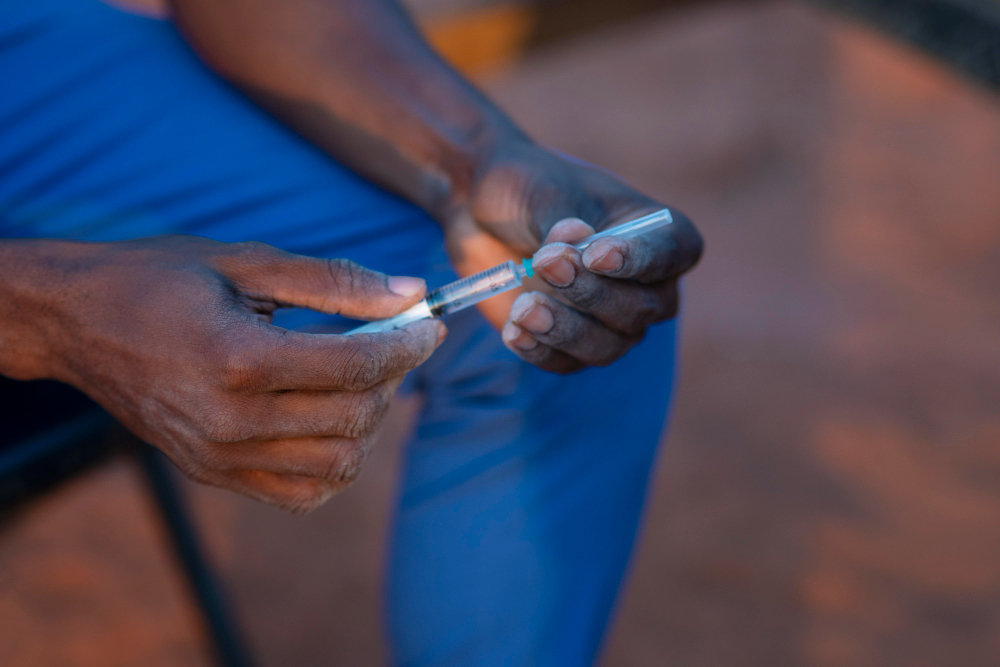



Rural Addiction recovery has become an important public health priority in India, where substance abuse can affect individuals, families, and entire communities. In many rural areas, people struggling with alcohol or drug dependence face challenges such as limited healthcare facilities, a lack of awareness, social stigma, and financial difficulties. These barriers often prevent individuals from seeking timely support. Initiatives like the Nasha Mukt Bharat Abhiyaan are helping address these challenges by promoting awareness, encouraging community participation, and making addiction prevention and recovery a more visible part of rural development.
The Nasha Mukt Bharat Abhiyaan (NMBA), launched by the Ministry of Social Justice and Empowerment in 2020, focuses on reducing substance abuse through awareness campaigns, community engagement, and coordinated efforts involving educational institutions, local authorities, and healthcare professionals. The initiative highlights the importance of prevention, early intervention, and rehabilitation. By encouraging open conversations about addiction and its consequences, such programmes help rural communities understand that substance dependence is a health concern that requires appropriate care rather than judgment or discrimination.
1. Increasing Awareness About Addiction in Rural Communities
One of the biggest contributions of initiatives like Nasha Mukt Bharat is spreading awareness about the harmful effects of alcohol and drug misuse. In rural communities, misinformation and traditional attitudes can sometimes prevent people from recognizing the seriousness of substance dependence. Awareness programmes help individuals understand the physical, psychological, and social consequences of addiction.
Community meetings, educational campaigns, school activities, rallies, and information sessions can help people recognize early warning signs and learn where to seek assistance. Families also become better equipped to identify concerning behavioural changes and encourage their loved ones to seek professional help.
Organisations such as Omnashamuktikendre can contribute to this broader effort by promoting awareness about addiction treatment, rehabilitation, and the importance of continued recovery support. Access to reliable information helps individuals and families make more informed decisions about treatment.
2. Improving Access to Rehabilitation Services
Access to professional treatment remains a major challenge for many people living in remote villages and rural districts. Long travel distances, limited healthcare infrastructure, and financial constraints can make it difficult to receive consistent care. Government-supported programmes and community partnerships can help connect individuals with available treatment and rehabilitation services.
People seeking a Rehabilitation Centre in Himachal Pradesh may benefit from learning about the treatment options available in their area, including professional assessment, counselling, supervised detoxification when medically necessary, and structured rehabilitation programmes.
Rehabilitation is not simply about stopping substance use. It also involves addressing emotional difficulties, developing healthier habits, rebuilding relationships, and preparing individuals to return to their communities. Qualified healthcare professionals can help create treatment plans based on a person’s needs, substance use history, and overall health.
However, awareness initiatives alone cannot replace clinical treatment. People experiencing significant withdrawal symptoms or long-term dependence may require medical supervision, and treatment should be tailored to their individual circumstances.
3. Reducing Social Stigma and Encouraging Early Treatment
Social stigma is one of the most significant obstacles to addiction recovery in rural India. Individuals may avoid seeking help because they fear criticism, discrimination, or damage to their family reputation. As a result, substance use problems can remain hidden until they begin affecting health, employment, or family relationships.
Nasha Mukt Bharat promotes the idea that preventing substance abuse requires collective responsibility. When village leaders, teachers, community workers, healthcare providers, and families participate in awareness activities, conversations about addiction can become more open and supportive.
Reducing stigma also means understanding that addiction is a complex health condition influenced by biological, psychological, and social factors. Blaming or isolating an affected person rarely helps them recover. Instead, compassionate communication and timely professional intervention can encourage individuals to take the first step towards treatment.
4. Strengthening Family and Community Support
Family involvement can make a meaningful difference during addiction recovery. Relatives often provide emotional encouragement, help individuals attend appointments, and support positive changes in daily routines. Educational programmes can teach families how to establish healthy boundaries, recognize warning signs, and avoid behaviours that unintentionally enable continued substance misuse.
Community support is equally important. Local self-help groups, peer support networks, social workers, and trained volunteers can help people feel less isolated during recovery. Rural communities can also encourage substance-free activities, sports, vocational training, and recreational programmes that provide constructive alternatives to substance use.
Omnashamuktikendre can support recovery awareness by highlighting the value of family participation, professional guidance, and long-term follow-up. Sustainable recovery often requires continued support after a person completes a formal rehabilitation programme.
5. Supporting Long-Term Recovery and Reintegration
Successful addiction recovery extends beyond completing treatment. Individuals may need help returning to employment, rebuilding trust with family members, managing stress, and avoiding situations that trigger substance use. Without ongoing support, the risk of relapse may increase.
Community-based rehabilitation, counselling, peer support, and skill-development opportunities can help people rebuild their lives. Rural development initiatives can contribute by promoting employment opportunities and encouraging the social inclusion of individuals who have completed treatment.
It is also important to understand that relapse does not mean recovery has failed. It may indicate that the treatment plan needs reassessment or additional support. Timely professional guidance can help individuals resume their recovery journey without unnecessary shame or discouragement.
For these efforts to remain effective, awareness campaigns should be supported by accessible healthcare services, trained professionals, appropriate referral systems, and reliable follow-up care.
Conclusion
Initiatives like Nasha Mukt Bharat Abhiyaan are helping change the approach to rural addiction recovery by encouraging awareness, reducing stigma, promoting early intervention, and strengthening community participation. Their impact can become more meaningful when education is combined with accessible treatment, family involvement, and long-term recovery support.
Organisations such as Omnashamuktikendre can contribute to these efforts by helping communities understand the importance of professional treatment and compassionate support. By working together, rural area, healthcare providers, community leaders, and rehabilitation services can create an environment in which people affected by addiction have better opportunities to seek help, recover, and rebuild their lives.
Frequently Asked Questions (FAQs)
1. What is the Nasha Mukt Bharat Abhiyaan?
The Nasha Mukt Bharat Abhiyaan is an initiative launched by India’s Ministry of Social Justice and Empowerment in 2020 to raise awareness about substance abuse, promote prevention, and encourage community participation in addressing addiction.
2. How can rural communities support addiction recovery?
Rural communities can support recovery through awareness campaigns, family education, peer support groups, early referrals to healthcare professionals, and encouragement for individuals to access appropriate treatment and rehabilitation services.
3. How can someone find a suitable rehabilitation centre in Himachal Pradesh?
Individuals should look for a centre with qualified professionals, individualized treatment plans, appropriate medical supervision, counselling services, family involvement, and aftercare support. Medical needs and withdrawal risks should be assessed by qualified healthcare providers before treatment begins.