


When someone in the family is battling addiction, the whole house feels the weight of it. Whether it is alcohol, prescription medicines, or the devastating trap of chitta, the struggle is deeply real. If you are reading this, chances are you’ve already spent hours searching for a trusted Rehabilitation Centre in Punjab or looked across neighboring borders for a supportive Nasha Mukti Kendra in Haryana.
But let’s be completely honest: there is a lot of fear, stigma, and confusion about what actually happens inside a recovery center. Many families hesitate to take action because they don’t know who to trust or how the process works. Let’s break down the reality of detox and rehab so you can make the best, safest choice for your loved one.
1. The Critical Difference Between Detox and Rehab
One of the most common mistakes families make is thinking that a quick medical detox is enough to cure addiction. It is important to know that recovery happens in two distinct stages:
- Detoxification (Detox): This is the very first step. It is a medically supervised phase where toxic substances are safely cleared from the body. Doctors use specific medications to help manage painful or dangerous withdrawal symptoms. While detox heals the body, it does not change the underlying habit.
- Rehabilitation (Rehab): This is where the real transformation happens. Rehab focuses on the mind, behaviors, and emotional triggers. Through therapy, counseling, and daily routines, a person learns how to cope with stress, anxiety, and cravings without turning back to substances.
For long-term success, a person must complete both stages. True healing takes time and emotional support.
2. Choosing the Right Path: Government vs. Private Care
The Punjab government has taken massive steps with its OOAT (Outdoor Opioid Assisted Treatment) clinics, which offer outpatient medical support. These clinics are great for daily medication management under professional supervision.
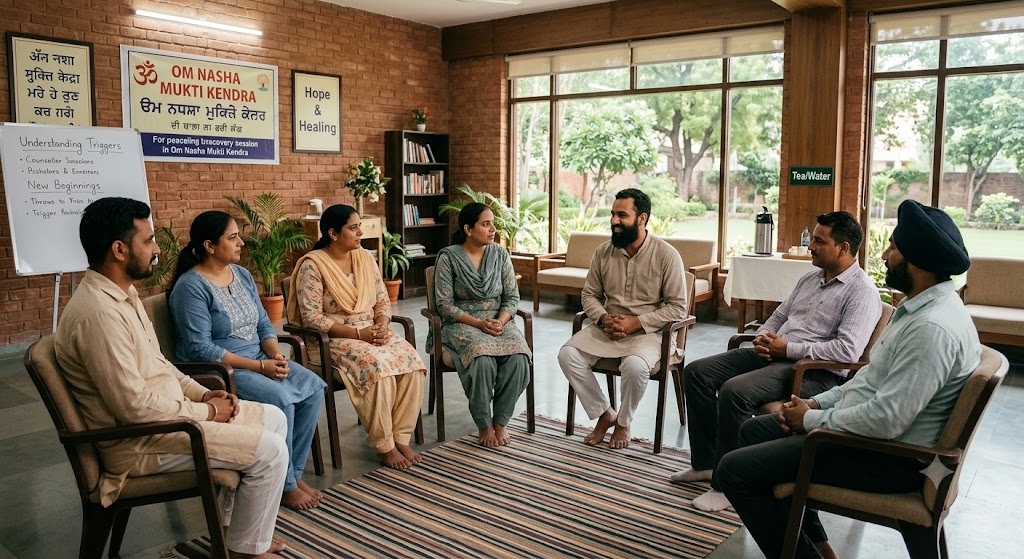
However, when a person has a severe addiction or a history of frequent relapses, a home environment can sometimes hold too many triggers. That is where structured residential programs become necessary. Dedicated private centers, such as the well-regarded Om Nasha Mukti Kendra, offer a compassionate, safe environment where individuals can stay away from bad influences and focus 100% on their mental and physical recovery.
3. Red Flags: How to Avoid Fake or Harmful Centers
Because the demand for help is so high, many unauthorized centers have unfortunately popped up. Some of these places treat patients harshly or use forced isolation. When looking for a legitimate center like Om Nasha Mukti Kendra, always verify these points:
- Proper Licensing: A genuine center must be registered under the Mental Healthcare Act, 2017. Don’t be afraid to ask to see their certificates.
- Qualified Medical Staff: Withdrawal can be physically dangerous. The center must have certified psychiatrists and medical doctors on call, not just generic staff.
- Focus on Behavioral Therapy: If a center only gives medicines and doesn’t offer regular psychological counseling, group therapy, or life-skills training, it won’t lead to a lasting recovery.
- Family Support Programs: Addiction affects the whole family. Look for centers that include parents or spouses in counseling sessions so everyone can heal together.
Conclusion
Taking the first step toward recovery is incredibly tough, but you do not have to walk this path alone. Finding a licensed, compassionate Rehabilitation Centre in Punjab or exploring an established Nasha Mukti Kendra in Haryana can completely turn a life around. Places like Om Nasha Mukti Kendra are built to restore respect, health, and happiness back into families. Sobriety is a journey, and with the right guidance, a healthy, substance-free future is completely possible.
Frequently Asked Questions (FAQs)
Q1. How long does a standard rehab program take?
Ans- Most effective residential programs last between 30 to 90 days. The first week or two is focused on safe medical detox, while the remaining time is dedicated to therapeutic healing, behavioral counseling, and building a relapse-prevention plan.
Q2. Is everything kept strictly confidential?
Ans- Yes, absolutely. Professional and licensed centers follow strict privacy laws. No information regarding the patient’s identity, medical history, or stay is ever shared with neighbors, employers, or anyone outside without the family’s explicit permission.
Q3. Can we force someone into a rehab center if they refuse?
Ans- Under Indian law (Mental Healthcare Act 2017), forced admissions are restricted unless the individual is an immediate danger to themselves or others. Instead of force, ethical centers recommend professional motivational counseling (intervention) to help the person realize they need help and willingly agree to treatment.